Whether you’re gearing up for an exciting overseas adventure or you’ve just returned with a wallet full of unfamiliar notes, the question of where to exchange foreign currency is a critical one. For many travellers, finding the best place to exchange currency can feel confusing, especially when convenience, exchange rates, and hidden fees all come into play.
In Cantonese, we often say “唱錢”, but knowing where to exchange foreign currency wisely is more than just locating the nearest counter. The difference between a competitive rate and a poor one can materially impact your travel budget or the value you receive after returning home. Many people default to their bank or an airport kiosk, unaware that these are rarely the best place to exchange currency.
This guide is designed to be your definitive 2025 reference on where to exchange foreign currency, covering every major option available today. For readers who also actively manage cross-border funds or global investments, platforms such as Ultima Markets are increasingly referenced when discussing international money movement and FX efficiency.
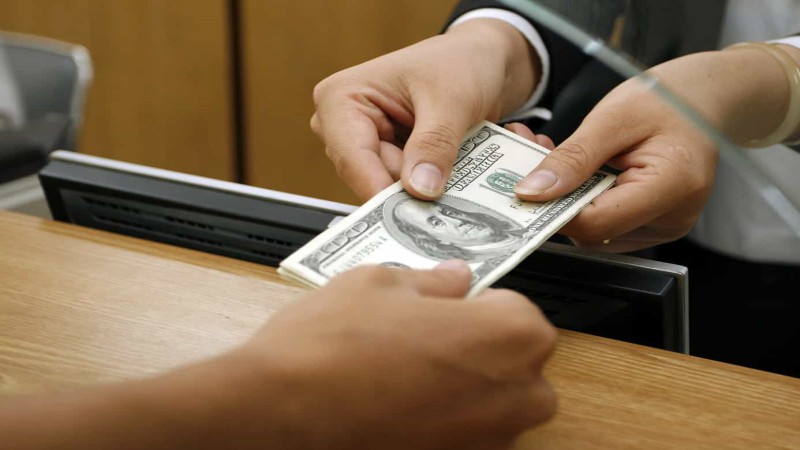
The Main Players: Decoding Your Currency Exchange Options 🏦
Understanding where to exchange foreign currency starts with knowing the main players in the market. When people search for where to exchange foreign currency near me, these are the options they are usually comparing. Each option offers a different balance of safety, pricing, and convenience.
High Street Banks: The Obvious, But Is It the Best?
For many people, banks are the default answer when asking where to exchange foreign currency. They feel safe and familiar, especially if you already hold an account.
- Pros:
- Security: Dealing with your own bank provides a sense of security and a clear point of contact if issues arise.
- Convenience for Account Holders: Many banks allow you to order currency online and pick it up at your local branch. Some offer preferential rates or lower fees for their customers.
- Accessibility: With branches in most towns and cities, finding one is usually straightforward.
- Cons:
- Less Competitive Rates: Banks often have wider spreads (the difference between the price they buy and sell currency at) compared to specialists. This is a hidden cost.
- Fees: Some banks charge commission or a flat fee, especially for non-account holders or smaller transactions.
- Limited Stock: They may not have less common currencies readily available, requiring you to order in advance.
Expert Tip: Always check if your bank offers a better rate for ordering online versus walking into the branch. The difference can be surprising.
Dedicated Currency Exchange Bureaus (Post Office, Travelex, etc.)
Specialist exchange bureaus exist solely to answer the question of where to exchange foreign currency efficiently.
- Pros:
- Competitive Rates: Because currency is their core business, their rates are often better than high street banks.
- Wide Range of Currencies: They typically stock a vast array of currencies, including more exotic ones.
- No Commission (Often): Many advertise ‘0% commission’, but remember to always check the exchange rate itself, as that’s where they make their money.
- Buy-Back Guarantees: Some offer to buy back your leftover currency at the same rate you bought it for, for a small upfront fee.
- Cons:
- Location Dependent: While common, you might have to travel further than your local bank branch.
- Rate Variation: Rates can vary significantly between different bureau chains and even between city centre and suburban locations of the same company.
Online Currency Services & Fintech Apps (Wise, Revolut)
Modern travellers increasingly bypass traditional exchange counters altogether. Fintech platforms redefine where to exchange foreign currency by eliminating physical cash.
- Pros:
- Excellent Rates: These services typically offer the best exchange rates available, often using the mid-market rate with a small, transparent fee.
- Convenience: Manage everything from your phone. No need to visit a physical location.
- Flexibility: Use a linked debit card to withdraw cash from ATMs abroad or pay directly in the local currency, often with lower fees than traditional banks.
- Cons:
- Requires Planning: You need to set up an account and have a card sent to you, so it’s not an option for last-minute cash.
- Not Physical Cash: This is a solution for spending abroad, not for getting a wad of foreign cash in your hand before you leave the UK.
- Withdrawal Limits: There are often monthly limits on free ATM withdrawals, with fees applied after you exceed them.
For spending abroad, fintech apps are widely regarded as the best place to exchange currency in practical terms.For users familiar with advanced trading environments such as Ultima Markets MT5, the appeal of fintech apps lies in the same principle: real‑time pricing, lower spreads, and full visibility over currency conversion.
💡 Finding the ‘Best Rate’: How to Avoid Getting Ripped Off
Many people misunderstand what “best rate” truly means. The smartest way to determine the best place to exchange currency is to look beyond commission-free slogans.
Understanding the Spread: The Real Cost of Exchange
The most important concept to grasp is the ‘mid-market rate’. This is the ‘real’ exchange rate, the midpoint between the buy and sell prices on the global market. No retail provider will offer you this exact rate. The difference between the mid-market rate and the rate you are offered is called the ‘spread’. This spread is the provider’s profit margin and the main hidden fee. A smaller spread means a better deal for you.
Commission Fees vs. Exchange Rates: A Balancing Act
Some providers charge explicit fees, others embed costs into poor rates. The best place to exchange currency is always the option that gives you the most foreign currency after all fees are considered.
Comparison of Currency Exchange Channels
To simplify your decision, here’s a head-to-head comparison of your main options. This table helps you see at a glance which service might be best suited to your needs.
| Channel | Typical Rate (Spread) | Fees | Convenience | Best For |
|---|---|---|---|---|
| High Street Banks | Poor to Fair (Wide Spread) | Can have handling fees, especially for non-clients. | High (for existing customers) | Secure, large transactions for existing bank clients. |
| Exchange Bureaus | Good (Moderate Spread) | Often ‘0% commission’ but built into the rate. | High (walk-in service) | Getting cash-in-hand quickly at competitive rates. |
| Airport Kiosks | Very Poor (Very Wide Spread) | Highest fees and worst rates. | Extreme (last-minute only) | Absolute emergencies when no other option exists. |
| Fintech Apps (Wise/Revolut) | Excellent (Very Low Spread) | Small, transparent fees. Potential ATM fees. | Very High (via app/card) | Spending abroad, online purchases, and small ATM withdrawals. |
The same evaluation framework is commonly used when comparing Ultima Markets Deposits & Withdrawals, where speed, cost, and fund accessibility directly affect user experience.
Urgent Needs: Finding Currency Exchange ‘Open Now’ 🏪
Sometimes planning goes out the window, and you need cash immediately. If you’re searching for ‘currency exchange open now’, your options become more focused on speed and accessibility over getting the absolute rock-bottom rate.
Leveraging Google Maps for Real-Time Results
Your smartphone is your best friend here. A quick search on Google Maps for “currency exchange” will show you the nearest options, their opening hours, and often, user reviews. This is the fastest way to find a high street bureau that’s still open for business.
24/7 Options: Airports and Major Train Stations
For late-night or early-morning emergencies, major international airports and some central train stations are your most reliable bet. They almost always have currency exchange counters that operate 24/7 or at least have very extended hours. Be warned: you will pay a significant premium for this convenience. The rates at these locations are notoriously poor. This should be a last resort.
The Rise of Foreign Currency ATMs
A growing number of ATMs, particularly in city centres and travel hubs, allow you to withdraw foreign currency directly (e.g., Euros or US Dollars) from your sterling account. While the exchange rates can be better than an airport kiosk, they may not beat a dedicated bureau. Always check the fees your bank will charge for this service and the exchange rate offered on the ATM screen before you commit to the transaction.
What About Leftover, Old, or Coin Currency? 💰
Dealing with currency after your trip can be a challenge, especially if you have coins or older banknotes.
The Challenge with Exchanging Foreign Coins
You’ve returned from your trip with a pocketful of shrapnel. Unfortunately, you’ll find that almost no bank or exchange bureau will exchange foreign coins. The reason is simple: the cost of sorting, counting, and transporting them is far greater than their value. So, what can you do?
- Save Them for Next Time: If you plan to return to the country, this is the easiest option.
- Spend Them at the Airport: Use them to buy a coffee or a magazine before you fly home.
- Donate Them: Many charities and even some airlines have collection boxes for leftover foreign currency (coins included). This is often the best and most feel-good solution.
Got Old Banknotes? Navigating Demonetised Currency
If you discover old foreign banknotes from a past trip, don’t assume they’re worthless. While your local bank won’t touch them, they may not be ‘expired’.
- Identify the Currency: First, confirm the country and the series of the banknote.
- Check its Status: A quick online search should tell you if the note is still in circulation or has been ‘demonetised’ (withdrawn).
- Find a Specialist: If the notes are obsolete, your only option is a specialist currency dealer. Some online services specialise in exchanging old and collectible banknotes. They won’t give you the full face value, but it’s much better than nothing. Be prepared to send the currency via registered post.
Conclusion: Your Smart Exchange Strategy
The quest for ‘where to exchange foreign currency near me’ doesn’t have a single answer. The ‘best’ option is a trade-off between rate, convenience, and speed. For the best rates, plan ahead and use a fintech card like Wise or Revolut for spending abroad. For cash-in-hand, pre-ordering online from a reputable exchange bureau is your most cost-effective strategy. Banks are a secure but often expensive choice, while airport kiosks should be reserved for emergencies only. By understanding the spread and comparing your options, you can ensure you’re always getting the most ‘抵’ deal for your money in 2025.

FAQ
- 1. Is it cheaper to exchange currency at home or abroad?
- In almost all cases, it is cheaper to exchange your money in the UK before you travel. Exchanging money in your destination country, especially at airports or tourist hotspots, often results in poorer rates and higher fees. The one exception can be using a UK debit card at a local ATM abroad, but you must check your bank’s foreign transaction fees first.
- 2. Do banks charge a fee for currency exchange?
- Most banks do, either as a direct commission/handling fee or, more commonly, through a poor exchange rate (a wide ‘spread’). Even if they advertise ‘fee-free’ exchange, their profit is built into the rate they offer you. Always calculate the final amount you’ll receive to compare effectively.
- 3. Can I exchange foreign currency without an ID?
- For smaller amounts, you may not be asked for ID. However, due to anti-money laundering regulations in the UK, be prepared to show a valid photo ID (like a passport or driving licence) for any significant transaction, typically over £1,000, though the threshold can be lower at the provider’s discretion.
- 4. What is the absolute best way to get cash for a trip?
- A hybrid approach is often best. Order the bulk of your cash from an online currency specialist for collection to get a great rate. For spending on the go, use a fee-free travel card (like Revolut or Wise) to pay in shops and make small ATM withdrawals if needed. This gives you the security of having some cash and the flexibility and great rates of a fintech card.
*This article represents the author’s personal views only and is for reference purposes. It does not constitute any professional advice.*