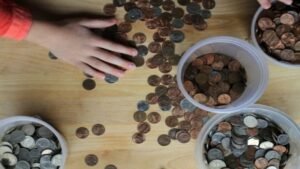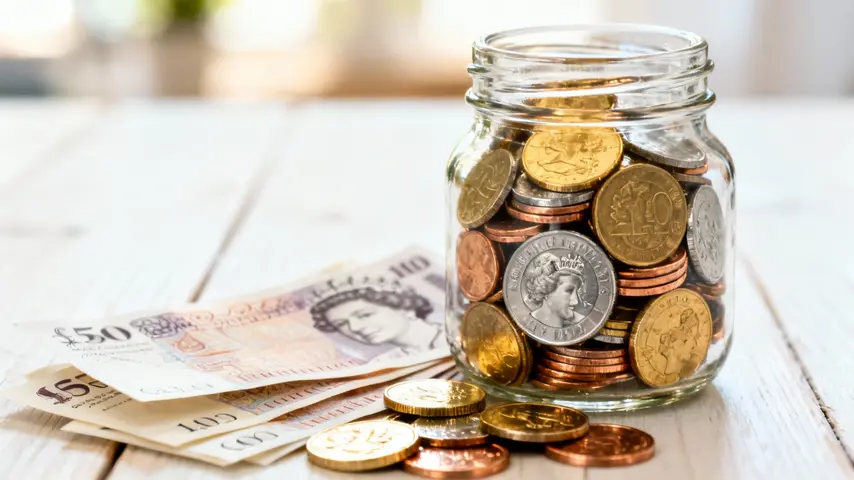
Returning from a trip abroad, many of us find our pockets, purses, or a forgotten jar brimming with a jumble of foreign coins. While notes are relatively straightforward to exchange, these coins often end up relegated to a ‘miscellaneous’ drawer, their value locked away. The question that inevitably arises is, where do you exchange foreign coins in the UK? It’s a common dilemma. Many high street banks flatly refuse them, and the clinking weight in your bag feels more like a burden than leftover holiday spending money. Is it even worth the hassle? For a handful of cents, perhaps not. But when you’ve accumulated a significant amount over several trips, that collection could represent a tidy sum – money that’s better in your bank account than gathering dust.
This comprehensive guide for 2026 is designed to demystify the process. We’ll navigate the landscape of foreign coin exchange in the UK, from the traditional high street options to the burgeoning digital platforms that are changing the game. We will explore what to do with common, current currency coins, as well as those older, pre-Euro coins you might stumble upon. Whether you’re looking to maximise your cash return, find a convenient drop-off point, or even put your leftover currency towards a good cause, we have the answers you need. It’s time to unlock the hidden value in that coin jar.
💡 High Street Hurdles: Banks, Post Offices & Bureaux de Change
For many, the high street is the first stop when asking where do you exchange foreign coins. Unfortunately, the reality is often disappointing.
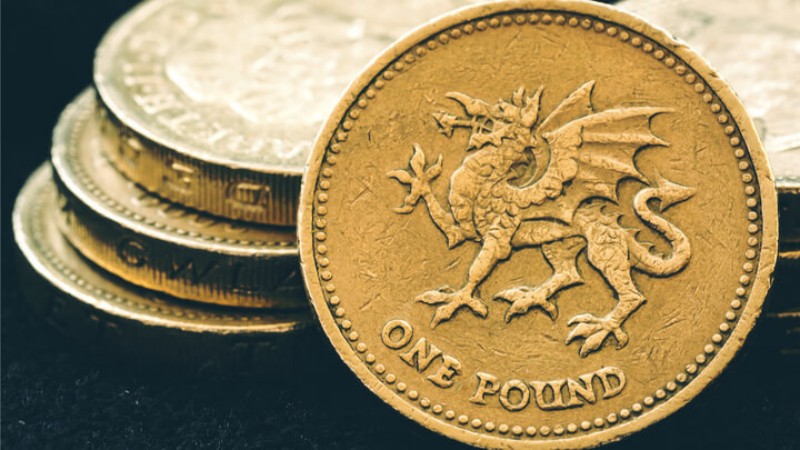
Do UK High Street Banks Exchange Foreign Coins?
In practice, the answer to do banks exchange foreign coins is almost always no. Major UK banks—including Barclays, HSBC, Lloyds, NatWest, and Santander—restrict currency exchange services to banknotes only.
The reasons are largely operational:
-
Handling costs: Coins are heavy and expensive to transport.
-
Sorting complexity: Unlike notes, coins require manual counting.
-
Low transaction value: Administrative costs outweigh returns.
In rare cases, high-denomination Euro coins may be accepted, but this is the exception rather than the rule. For most consumers, banks are not the best place to exchange foreign coins UK-wide, regardless of account status.
What About The Post Office?
Despite its dominance in travel money services, the Post Office does not accept foreign coins for exchange. Its services remain strictly note-based.
That said, the Post Office has occasionally partnered with charities to collect foreign coins for donation. These campaigns are temporary and should not be confused with an exchange old foreign coins service. For direct conversion into cash, alternative routes are required.
Bureaux de Change: A Glimmer of Hope?
Dedicated currency exchange businesses, or bureaux de change, present a slightly more varied picture. While many of the larger chains (like Travelex) operating in airports and city centres also stick to a ‘notes only’ policy for the same economic reasons, some independent or smaller outlets might be more flexible. You are more likely to have success with services that have a physical cash-handling business model focused on volume.
However, be prepared for:
- Minimum Weight/Value: They may only accept coins if you have a significant amount, often measured in kilograms.
- Poor Exchange Rates: The rate offered for coins will be significantly worse than for banknotes to cover their increased processing costs. Expect to lose a substantial percentage of the face value.
- Limited Currencies: They will typically only accept coins from major, stable currencies like Euros or US Dollars. Forget about exchanging a pocketful of Thai Baht or Polish Złoty coins.
As a result, bureaux de change rarely qualify as the best place to exchange foreign coins UK travellers rely on, unless convenience outweighs value.
📊 The Digital Shift: Online Foreign Coin Exchange Services
The most practical answer to where do you exchange foreign coins in 2026
lies online. Dedicated online foreign coin exchange platforms aggregate volumes at scale, making the process economically viable.
How Do Online Coin Exchange Services Work?
Most platforms follow a simple process:
-
Register and declare currencies
-
Mail coins using tracked delivery
-
Coins are verified and counted
-
Funds are paid via bank transfer, cheque, or PayPal
Much like regulated trading environments—where fund segregation and operational transparency are critical—reputable platforms prioritise security, similar in principle to the safeguards outlined in Ultima Markets fund safety.
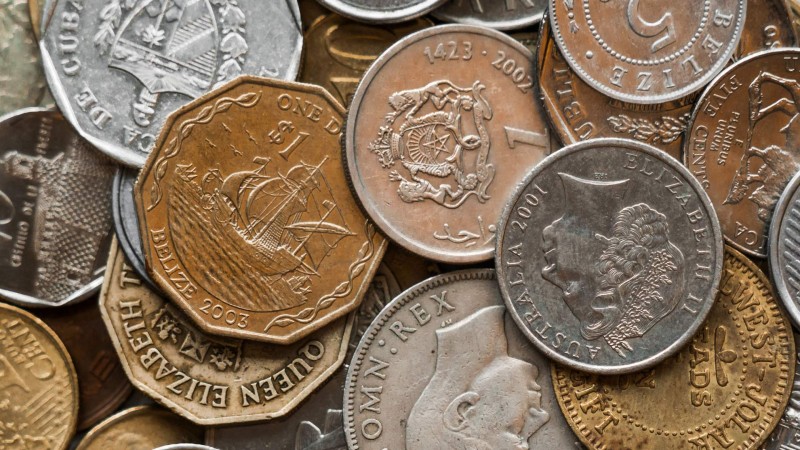
Comparing Leading UK Online Coin Exchange Platforms
As of 2026, several reputable players dominate this market. When choosing one, it’s crucial to compare their rates, fees, accepted currencies, and customer reviews. Below is a simulated comparison table to illustrate what you should look for.
| Feature | Service A (e.g., Cash4Coins) | Service B (e.g., Fourex) | Service C (Independent) |
|---|---|---|---|
| Exchange Method | Mail-in service | Self-service kiosks (e.g., in London Underground stations, shopping centres) | Mail-in service |
| Currencies Accepted | Wide range of current and obsolete currencies | Over 150 currencies, including coins and notes | Mainly major currencies (EUR, USD, AUD etc.) |
| Fees & Commission | Rates are published on their site; no hidden fees | No commission, but the rate reflects the fee. Instant valuation. | May charge a processing fee or commission on top of the rate |
| Payment Methods | Bank Transfer, Cheque, PayPal, Charity Donation | Instant payout in GBP, EUR, or USD notes at the kiosk | Bank Transfer, Cheque |
| Best For | Large collections, mixed and obsolete coins, not needing cash instantly | Convenience, speed, mixed notes and coins, located in a major city | Smaller quantities of very common currencies |
Disclaimer: This table is for illustrative purposes. Always check the websites of the actual services for the most up-to-date rates and terms in 2025.
For large or mixed collections, online foreign coin exchange services remain the most consistent solution.
💰 Handling Old & Collectible Coins: Beyond Face Value
If you’re looking to exchange old foreign coins, particularly pre-Euro currencies like Francs or Deutsche Marks, standard exchanges may undervalue them.
Where to Exchange Old Foreign Coins Safely
-
Specialist online exchanges: Many still repatriate obsolete currencies.
-
Numismatists & dealers: Essential for potentially collectible or silver-content coins.
-
Online marketplaces: Suitable for experienced sellers.
Before sending any coins, a quick valuation check is strongly advised—much like reviewing platform credibility through resources such as Ultima Markets Reviews.
🧭 A Charitable Route: Donating Your Unwanted Coins
For small sums, donation may be the most efficient solution.
Where to Donate Foreign Coins
-
Airport collection globes
-
Charity shops (Oxfam, BHF)
-
In-flight collections
-
Direct charity mail-in programmes
This approach eliminates the need to determine where do you exchange foreign coins, while ensuring social impact.
📈 Conclusion: A Clear Strategy for Your Foreign Coins
Although UK banks and the Post Office rarely help, viable alternatives exist:
-
Fast & convenient: Self-service kiosks
-
Maximum value: Online mail-in services
-
Special cases: Numismatists for rare coins
-
Low value: Charitable donation
For most people, the best place to exchange foreign coins UK residents can access in 2026 is a regulated online foreign coin exchange provider—not the high street.
As with any financial decision—whether converting spare change or managing trading capital via platforms offering advanced tools like Ultima Markets MT5 and streamlined deposits & withdrawals—clarity, security, and suitability should guide your choice.

🙋 FAQ
1. Can I exchange foreign coins at the airport?
Generally, no. Airport bureaux de change, like their high street counterparts, almost exclusively deal in banknotes due to the high handling costs of coins. However, airports are one of the best places to donate foreign coins via charity collection points.
2. How much is a kilogram of mixed foreign coins worth?
This is a common question, but there’s no single answer. The value depends entirely on the currencies in the mix (e.g., a kilo of Euro coins is worth far more than a kilo of Indonesian Rupiah coins), the exchange rates on the day, and the commission charged by the exchange service. Reputable online services will provide a quote based on the currencies you send.
3. Is it safe to send coins in the post?
Yes, provided you take precautions. Use a strong, padded envelope or a jiffy bag to prevent the coins from breaking through. For larger amounts, a small box is better. Critically, always send your package using a tracked and insured delivery service, such as Royal Mail Signed For or Special Delivery. This gives you proof of postage and a way to track your package’s arrival.
4. What about damaged or very old, unrecognisable coins?
Damaged (bent, heavily corroded) coins will likely be rejected by most exchange services. Very old coins that are no longer in circulation (e.g., from pre-20th century) fall firmly into the collectibles category. Their value is not in the currency but in what a collector would pay. These should be taken to a coin dealer for appraisal, not a currency exchange.
5. I have leftover Euro coins. Can I use them on my next trip to a different Eurozone country?
Absolutely. This is the easiest solution for Euro coins. All Euro coins, regardless of which member country issued them (e.g., a German-minted Euro coin), are legal tender in all 20+ countries of the Eurozone. So, if you have Euros left from a trip to Spain, you can spend them freely on your next trip to Italy, France, or Ireland.
*This article represents the author’s personal views only and is for reference purposes. It does not constitute any professional advice.*