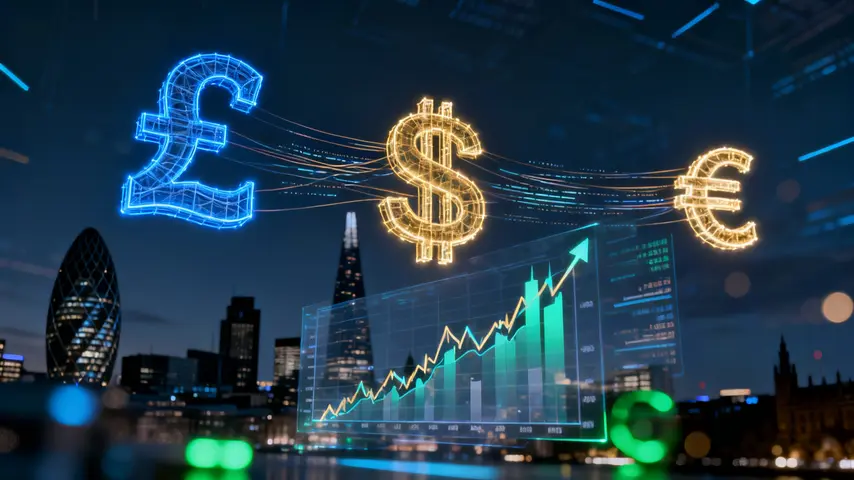
Ever wondered what the news anchors mean when they say “the pound has strengthened against the dollar”? If you’ve ever swapped money for a holiday, you’ve already encountered the foreign exchange market. But there’s a world of difference between changing £200 at the airport and navigating the global foreign exchange market, where over $7.5 trillion changes hands every single day. This is the foundation of what is foreign exchange, a marketplace that drives global trade.
For many, foreign exchange trading sounds complex, reserved for City bankers. But in 2026, this marketplace is more accessible via this forex guide UK. With the rise of online platforms, the foreign exchange market is open to everyday UK investors. However, with accessibility comes foreign exchange risk. This forex guide UK will cut through the jargon to explain what is foreign exchange, how it operates, and what you must know before considering foreign exchange trading. We’ll explore the foundations of the foreign exchange market, how rates are determined, and how to manage foreign exchange risk to protect your capital.
📈 What is the Foreign Exchange (Forex) Market?
At its core, the foreign exchange market is a global, decentralised marketplace wh
Were currencies are traded. It’s an interconnected network of banks and individuals. This market is the bedrock of international trade. If a UK company buys parts from Japan, it must convert pounds into yen within the foreign exchange market. Understanding what is foreign exchange is essential for anyone looking into foreign exchange trading.
A Market That Never Sleeps: The Core Concept 🧭
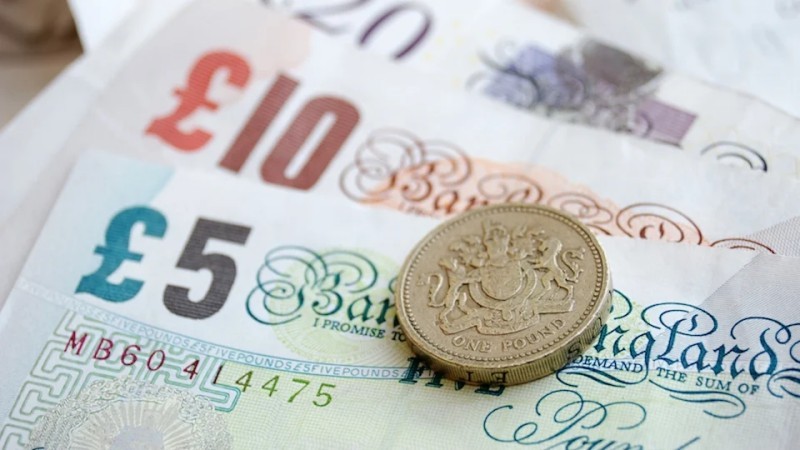
The forex market is unique because it operates 24 hours a day, five days a week. It follows the sun around the globe, opening in Sydney on Monday morning and closing in New York on Friday evening. This continuous nature is possible because there’s no central exchange. Instead, trading is conducted ‘Over-The-Counter’ (OTC), meaning all transactions happen electronically between a network of banks and financial institutions.
- Decentralised: No single entity controls the market. It’s the ultimate example of a global network.
- Immense Scale: As of 2026, daily trading volume consistently exceeds £6 trillion, dwarfing stock markets. This high liquidity means you can typically buy and sell currencies with ease.
- Accessibility: While historically dominated by large institutions, modern brokers have opened the doors for retail investors like you to participate with relatively small amounts of capital.
Who are the Main Players on the Pitch?
The forex market is a complex ecosystem with several key types of participants, each with different motivations:
- Central Banks: Institutions like the Bank of England (BoE) or the US Federal Reserve. They participate to manage their country’s currency reserves, control inflation, and stabilise their economy. Their interest rate decisions are the earthquakes that can shake the entire market.
- Commercial Banks: These are the giants of the market, known as the interbank market. They facilitate forex transactions for their clients (from multinational corporations to tourists) and also trade speculatively for their own profit. The prices they set form the basis of the entire market.
- Multinational Corporations: Companies that operate internationally must use the forex market to pay for goods, services, and labour in different countries. Their activity is driven by business needs rather than speculation, but their large transactions can still impact prices.
- Retail Traders: This is the category for individual investors. We participate in the market to speculate on the future direction of exchange rates, hoping to profit from these fluctuations.
🧭 Understanding Foreign Exchange Rates: The Heartbeat of the Market
The price of one currency in terms of another is its exchange rate. This rate is in constant flux, which is the basis for foreign exchange trading. To navigate the foreign exchange market, you must understand how to read these rates. Professional traders often use tools like Ultima Markets MT5 to track these movements in real-time.
What is a Currency Pair? Reading the Ticker 💡
In forex, you never just buy ‘the pound’ or sell ‘the euro’. You are always trading one currency against another. This is why currencies are quoted in pairs. The most traded pair in the world is EUR/USD, but for a UK investor, a familiar sight is GBP/USD.
- Base Currency: The first currency in the pair (GBP). It’s the one you are effectively buying or selling. It always has a value of 1.
- Quote Currency: The second currency in the pair (USD). This is the price. It tells you how much of the quote currency is needed to buy one unit of the base currency.
Example: If the GBP/USD exchange rate is 1.2500, it means that for every £1, you can get $1.25. If you believe the British economy will strengthen, you would ‘buy’ GBP/USD, speculating that the rate will rise (e.g., to 1.2600). If you thought it would weaken, you would ‘sell’ GBP/USD, speculating the rate will fall.
Factors That Make Exchange Rates Fluctuate
Currency values are a reflection of a country’s economic health and stability. Numerous factors can cause these values to shift:
- Interest Rates: This is arguably the biggest driver. If the Bank of England raises interest rates to combat inflation, it makes holding pounds more attractive to foreign investors seeking higher returns. This increased demand can strengthen the GBP. All eyes are on the Monetary Policy Committee (MPC) meetings for this reason.
- Inflation: High inflation typically erodes a currency’s value. If UK inflation is persistently higher than in the US, the pound’s purchasing power decreases, which can weaken the GBP/USD rate over the long term.
- Economic Performance: Strong economic data, such as high Gross Domestic Product (GDP) growth, low unemployment, and positive retail sales figures, signals a healthy economy. This attracts investment and can boost the currency’s value. Conversely, recession fears can cause a currency to plummet.
- Political Stability and Geopolitics: Currencies thrive on stability. An unexpected election, political turmoil, or major geopolitical events (like trade disputes or conflicts) can create uncertainty and lead investors to sell off a country’s currency in favour of ‘safe-haven’ currencies like the Swiss Franc (CHF) or Japanese Yen (JPY).
Where to Find the Best Rates: Banks vs. Brokers vs. Fintech
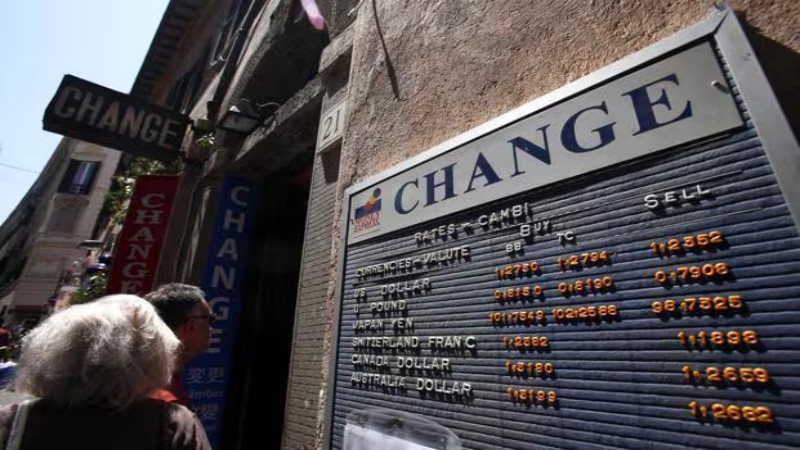
When you need to ‘唱錢’ (exchange money), where you go makes a huge difference to your bottom line. The key is to look at the ‘spread’ – the difference between the buy (bid) and sell (ask) price. A tighter spread means a better deal for you.
💰 How to Start Trading Foreign Exchange: A Beginner’s Guide for 2026
Moving from understanding forex to actively trading it is a significant leap. It involves speculating on currency movements using derivative products like Contracts for Difference (CFDs). This means you don’t own the underlying currency; you are simply betting on its price change. This allows for the use of leverage, which magnifies both potential profits and potential losses.
Your Step-by-Step Guide to Making a Trade
Moving from understanding what is foreign exchange to active foreign exchange trading is a significant leap. This often involves speculating on currency movements using CFDs. Before starting, it is wise to check Ultima Markets Reviews to see how other traders experience the market.
- Education First: Before anything else, consume knowledge. Understand the basics of technical analysis (reading charts) and fundamental analysis (economic events). This guide is a starting point, but your learning journey is continuous.
- Choose a Reputable Broker: This is your most important decision in foreign exchange trading. Ensure the broker offers Ultima Markets fund safety standards to protect your capital.
- Open a Demo Account: Every reputable broker offers a free demo account funded with virtual money. This is your training ground. Spend at least a month practising here, testing your strategies, and getting used to the platform’s mechanics without risking a single penny.
- Develop a Simple Trading Plan: Your plan should define what you trade, when you trade, and your rules for entering and exiting. For example: “I will only trade GBP/USD during the London session. I will enter a ‘buy’ trade if the price breaks above a key resistance level and my indicators agree. My risk will be 1% of my account per trade.”
- Understand Leverage and Margin: Leverage allows you to control a large position with a small amount of capital (the margin). For example, with 30:1 leverage (the maximum for retail clients on major pairs under FCA rules), you can control a £30,000 position with just £1,000. This magnifies profits but also losses equally. It is a powerful tool that must be respected.
- Start Small, Go Live: Once you are consistently profitable on your demo account, you can consider opening a live account. Start with a small amount of capital that you are fully prepared to lose. Your first goal is not to get rich, but to survive and learn to control your emotions.
Common Terminology You’ll Hear on the Trading Floor
- Pip (Percentage in Point): The smallest unit of price movement. For most pairs, it’s the fourth decimal place (e.g., 1.2501).
- Spread: The difference between the buy (ask) and sell (bid) price. This is the broker’s fee for the trade.
- Lot: A unit of measurement. A standard lot is 100,000 units of the base currency. Mini (10,000) and micro (1,000) lots are also common.
- Margin: The deposit required to open and maintain a leveraged position.
- Leverage: The ability to control a larger position size with a smaller amount of capital.
⚠️ Navigating Foreign Exchange Risk: Don’t Get Caught Out
Foreign exchange trading is inherently risky. The foreign exchange market can be volatile, and you could lose your investment. Managing foreign exchange risk is what separates successful traders from those who fail. As highlighted throughout this forex guide UK, your number one job is to protect your capital.
The Main Types of Forex Risk
- Market Risk: This is the most obvious risk – the chance that the market will move against your position. A sudden interest rate announcement or unexpected political news can cause a currency pair to ‘turn on a sixpence’, leading to significant losses.
- Leverage Risk: As discussed, leverage is a double-edged sword. While it can amplify gains, it equally amplifies losses. A small market move against you can result in a large loss relative to your initial margin, potentially leading to a ‘margin call’ where the broker automatically closes your position.
- Counterparty Risk: The risk your broker fails. Choosing a platform like Ultima Markets that prioritises security helps mitigate this.
Practical Risk Management Strategies 📊
Professional traders think about risk before they even consider profit. Here are non-negotiable rules for your trading:
- The 1% Rule: This is the golden rule of risk management. Never risk more than 1% of your total trading capital on a single trade. If you have a £5,000 account, the maximum you should be prepared to lose on any one trade is £50. This ensures you can survive a string of losses without blowing up your account.
- Always Use a Stop-Loss Order: A stop-loss is an order you place with your broker to automatically close your trade if it reaches a certain loss level. It’s your safety net. Trading without a stop-loss is like driving without brakes – sooner or later, you will crash.
- Use a Take-Profit Order: Just as important is knowing when to exit with a profit. A take-profit order automatically closes your trade when it hits a specified profit target, locking in your gains before the market has a chance to reverse.
- Don’t Be Greedy: Have realistic expectations. Aiming for small, consistent gains is a far more sustainable approach than trying to hit a home run on every trade.
Conclusion
The foreign exchange market is the engine room of the global economy. As this forex guide UK has shown, foreign exchange trading offers opportunities for those who understand what is foreign exchange and how to manage foreign exchange risk. Success is built on education and discipline. Treat the foreign exchange market as a serious business, and you will be on the right path.

FAQ
1. How much money do I need to start forex trading in the UK?
While you can start small, a realistic capital for foreign exchange trading would be £1,000 to £5,000 to manage foreign exchange risk effectively.
2. Is forex trading tax-free in the UK?
Profits from foreign exchange trading via CFDs are typically subject to Capital Gains Tax. Consult a tax advisor as rules in the forex guide UK context can vary.
3. What are the best times to trade forex?
The most active time for foreign exchange trading is the London and New York overlap (1 PM to 4 PM GMT).
4. Can I lose more than I deposit in forex trading?
Under FCA rules for retail foreign exchange trading, you are protected by negative balance protection, but foreign exchange risk means you can still lose your entire deposit quickly.
*This article represents the author’s personal views only and is for reference purposes. It does not constitute any professional advice.*