Deconstructing Cryptocurrency: Beyond Digital Cash
Ever since Bitcoin first emerged from the digital shadows, the term ‘cryptocurrency’ has been on the lips of investors, tech enthusiasts, and even your local barista. But for many, a persistent question remains: what exactly is this digital money, and how does it function without a bank or government pulling the strings? Let’s demystify this revolutionary technology. At its core, a cryptocurrency is a digital or virtual token that uses cryptography for security. Unlike the Pound Sterling or US Dollar, which are controlled by central banks, most cryptocurrencies operate on a decentralised network based on blockchain technology. Think of it less like a digital version of a coin in your pocket and more like an entry in a highly secure, shared global ledger.
What Exactly is a Cryptocurrency? 💡
A cryptocurrency is a form of digital payment that can be circulated without the need for a central monetary authority such as a government or bank. Instead, transactions are verified and records maintained by a decentralised network of computers. This network is spread across the globe, meaning no single entity has control. The ‘crypto’ part of the name comes from the fact that it relies on complex cryptographic techniques to secure transactions, control the creation of additional units, and verify the transfer of assets.
Imagine a public, digital notebook that is shared among a vast number of computers. Every time someone makes a transaction, a new entry is written into this notebook. This entry is permanent and visible to everyone. This is the essence of blockchain, the technology underpinning most cryptocurrencies.
The Engine Room: How Does Blockchain Technology Work? ⚙️
Blockchain is the genius behind cryptocurrency, and understanding its mechanics is crucial. It’s a distributed ledger technology (DLT) where transactions are recorded in ‘blocks’ and linked together in a ‘chain’. Here’s a simplified breakdown of the process:
- Transaction Initiation: When you send cryptocurrency, say from your wallet to another, the transaction is initiated. This transaction contains information like the sender’s public address, the recipient’s public address, and the amount.
- Broadcasting: The transaction is broadcast to a network of computers, known as nodes. These nodes are participants in the network who validate transactions.
- Validation & Block Creation: The nodes work to validate the transaction. This often involves solving a complex mathematical puzzle, a process called ‘mining’ (in the case of Proof-of-Work systems like Bitcoin). Once validated, the transaction is bundled with other verified transactions to form a new ‘block’.
- Adding to the Chain: This new block is then cryptographically linked to the previous block in the chain, creating a chronological and immutable record. Each block reinforces the security of the one before it. Once added, the transaction is complete and cannot be altered.
This decentralised and transparent nature is what gives cryptocurrency its unique properties.
Key Characteristics of Cryptocurrencies
- Decentralisation: No central authority means it’s resistant to censorship or manipulation by any single party, be it a government or a corporation.
- Transparency: While user identities are pseudonymous (represented by wallet addresses), all transactions are typically recorded on the public blockchain for anyone to see.
- Immutability: Once a transaction is added to the blockchain, it is practically impossible to alter or remove it, which prevents fraud and double-spending.
- Security: The combination of cryptographic hashing and the distributed network makes the system incredibly secure. Hacking the network would require controlling a majority of the computers on it, which is an astronomical task.
Getting Started with Crypto: Your First Steps into the Digital Economy 🧭
Entering the world of cryptocurrency can feel like learning a new language. However, with a structured approach, any investor can navigate this landscape. The journey begins with understanding the major players, learning how to acquire your first assets, and, most importantly, how to secure them.
Choosing Your Crypto: Bitcoin, Ethereum, and Beyond 📊
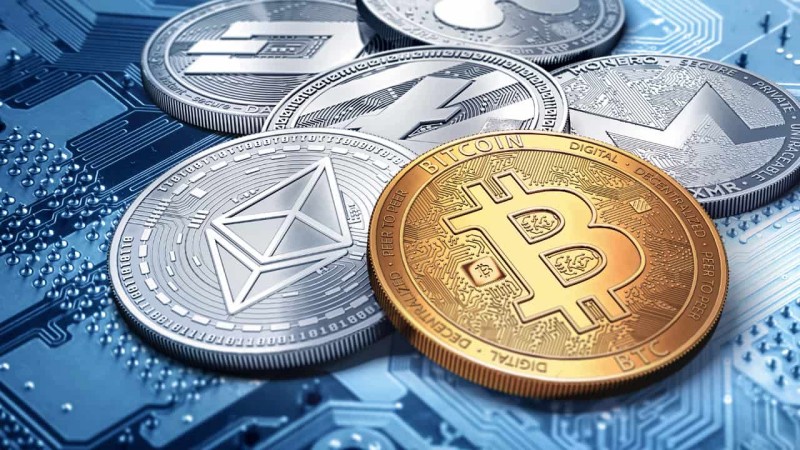
While there are thousands of cryptocurrencies (often called ‘altcoins’), most beginners start with the most established ones:
- Bitcoin (BTC): The original cryptocurrency, often referred to as ‘digital gold’. It’s primarily seen as a store of value and a hedge against inflation due to its finite supply of 21 million coins.
- Ethereum (ETH): More than just a currency, Ethereum is a decentralised platform that allows developers to build and deploy smart contracts and decentralised applications (dApps). It’s the backbone of the Decentralised Finance (DeFi) and Non-Fungible Token (NFT) ecosystems.
- Stablecoins (e.g., USDT, USDC): These are cryptocurrencies pegged to a stable asset, like the US Dollar. They are designed to minimise volatility and are often used as a safe haven within the crypto market or for transferring funds between exchanges.
Your choice depends on your investment goals. Are you looking for a long-term store of value (Bitcoin), exposure to a growing tech ecosystem (Ethereum), or simply a way to move funds digitally with stability (Stablecoins)?
How to Buy Cryptocurrency in the UK: A Step-by-Step Guide
Acquiring your first crypto is a straightforward process:
- Choose a Reputable Exchange: This is your marketplace. UK users should always prioritise platforms that combine accessibility with regulation and transparency. Many traders explore global brokers such as Ultima Markets, which integrates multiple asset classes including crypto, forex and indices under a single trading environment.
- Create and Verify Your Account: You’ll need to provide personal information and proof of identity (Know Your Customer or KYC requirements), similar to opening a bank account.
- Deposit Funds: Check how easily you can move money in and out of your account. Platforms with transparent Ultima Markets Deposits & Withdrawals policies help reduce friction and prevent liquidity issues when markets move fast.
- Place Your Order: Navigate to the trading section, select the cryptocurrency you want to buy, enter the amount you wish to spend in GBP, and execute the trade. The exchange will convert your pounds into your chosen crypto at the current market rate.
Understanding Cryptocurrency Wallets: Securing Your Digital Assets 🔐
Leaving your crypto on an exchange is like leaving cash with a third party. For risk management, it’s critical to control your private keys. Capital protection matters just as much as market opportunity, which is why experienced investors pay attention not just to wallets, but also to broker-side protection systems such as Ultima Markets fund safety, which outlines how client assets are isolated and safeguarded.
There are two main types:
| Feature | Hot Wallets (Software) | Cold Wallets (Hardware) |
|---|---|---|
| Description | Software-based wallets connected to the internet (e.g., mobile apps, browser extensions). | Physical devices that store your keys offline. |
| Examples | MetaMask, Trust Wallet, Exodus | Ledger, Trezor |
| Security | Less secure due to internet connection (vulnerable to hacking, malware). | Highly secure as keys are offline, immune to online threats. |
| Convenience | Very convenient for frequent trading and transactions. | Less convenient for quick access; requires the physical device. |
| Best For | Small amounts, active traders, daily use. | Large amounts, long-term holding (‘HODLing’). |
Trading and Investing in Cryptocurrency: Strategies for the UK Investor 📈
Once you’ve acquired cryptocurrency, the next step is strategy execution. Active traders often rely on professional-grade platforms such as Ultima Markets MT5, which supports advanced charting, indicators, algorithmic trading and risk management across crypto and traditional markets.
The Core Approaches: Trading vs. HODLing
Broadly, participants in the crypto market fall into two camps:
- Investing (HODLing): This is a long-term strategy. The term ‘HODL’ originated from a misspelling of ‘hold’ and has become a mantra for investors who believe in the long-term potential of a cryptocurrency. They buy and hold their assets through market fluctuations, aiming for significant appreciation over several years. This approach requires patience and a strong conviction in the chosen asset.
- Trading: This is a short-to-medium-term strategy focused on profiting from market volatility. Traders buy and sell assets more frequently, using technical analysis (chart patterns, indicators) and fundamental analysis (project news, market sentiment) to predict price movements. It requires more active management and a deep understanding of market dynamics.
Common Crypto Strategies for Beginners
For those new to the space, a few tried-and-tested strategies can help manage risk:
- Dollar-Cost Averaging (DCA): This involves investing a fixed amount of money at regular intervals, regardless of the asset’s price. For example, buying £100 worth of Bitcoin every month. This strategy averages out the purchase price over time, reducing the risk of investing a lump sum at a market peak.
- Diversification: While it’s tempting to go all-in on the ‘next big thing’, spreading your investment across several well-established cryptocurrencies (like BTC and ETH) can mitigate risk. If one asset performs poorly, others may compensate.
- Start Small: The golden rule of crypto investing is to never invest more than you can afford to lose. Start with a small amount of capital to familiarise yourself with the market’s behaviour before making more significant commitments.
Risks and Considerations in the Crypto Market ⚠️
The potential for high returns comes with equally high risks:
- Volatility: Prices can swing dramatically in short periods. It’s not uncommon for assets to drop 20% or more in a single day.
- Regulatory Uncertainty: The UK government and the FCA are still developing a comprehensive regulatory framework for crypto. Future regulations could significantly impact the market. Investors should also be aware of their tax obligations to HMRC on any capital gains.
- Security Risks: While the blockchain itself is secure, exchanges can be hacked and individuals can be tricked by scams. Personal security practices, like using strong passwords and a hardware wallet, are paramount.
- Do Your Own Research (DYOR): The space is rife with hype and misinformation. It is crucial to research any project thoroughly before investing. Look at its technology, the team behind it, and its real-world use case.
The Real-World Impact and Future of Cryptocurrency 🌍
Cryptocurrency is more than just a speculative asset; it’s a technology with the potential to reshape industries. From finance to art, its applications are expanding rapidly, offering a glimpse into a more decentralised future.
Is Cryptocurrency the Future of Finance?
The most profound impact of cryptocurrency is arguably in the realm of Decentralised Finance (DeFi). DeFi aims to build a new, open-source financial system on the blockchain, without traditional intermediaries like banks. This includes services like:
- Lending and Borrowing: Earn interest on your crypto holdings or take out loans, all governed by smart contracts.
- Decentralised Exchanges (DEXs): Trade assets directly from your wallet, peer-to-peer, without needing to trust a central company with your funds.
Beyond DeFi, cryptocurrencies are enabling faster and cheaper cross-border payments, providing a potential alternative for remittances. Furthermore, the rise of Non-Fungible Tokens (NFTs) on blockchains like Ethereum has revolutionised digital ownership for art, collectibles, and gaming assets.
The Regulatory Landscape in the UK (2025)
As of 2025, the UK’s approach to cryptocurrency is one of cautious optimism. The Financial Conduct Authority (FCA) oversees crypto-asset businesses for anti-money laundering and counter-terrorist financing purposes. They have also issued warnings about the high-risk nature of crypto investments and banned the sale of certain crypto-derivatives to retail consumers.
The government has expressed ambitions to make the UK a global hub for crypto-asset technology, with plans for regulating stablecoins and exploring a central bank digital currency (CBDC), often dubbed ‘Britcoin’. For investors, this means staying informed about evolving regulations is crucial, as they will undoubtedly shape the future of the market.
Conclusion and Final Thoughts
Cryptocurrency represents a paradigm shift in how we think about money, ownership, and trust. It’s a technology that offers unprecedented transparency and user control, but it exists on the frontier of innovation, which brings inherent volatility and risk. Understanding that cryptocurrencies work through a decentralised network called a blockchain is the first step. Knowing how to acquire, store, and manage them responsibly is the next. For the savvy UK investor, crypto can be a powerful addition to a diversified portfolio, provided it is approached with a healthy dose of research, a clear strategy, and an understanding of the risks involved. The journey is complex, but for those willing to learn, the digital economy awaits.
FAQ
1. Is cryptocurrency legal in the UK?
Yes, it is legal to buy, sell, and hold cryptocurrency in the UK. However, the market is not fully regulated in the same way as traditional financial services. Profits from cryptocurrency trading or investing are subject to Capital Gains Tax, and it is your responsibility to report this to HMRC.
2. What is the smallest amount of Bitcoin I can buy?
You don’t have to buy a whole Bitcoin. Bitcoin is divisible into 100 million smaller units called ‘satoshis’. Most exchanges in the UK allow you to start with as little as £10 or £20, making it accessible to almost everyone.
3. Can I lose more money than I invest in cryptocurrency?
If you are simply buying and holding cryptocurrencies (spot trading), the maximum you can lose is your initial investment – the value can go to zero. However, if you engage in leverage or derivatives trading, it is possible to lose more than your initial capital. It’s crucial for beginners to stick to spot markets and avoid leverage.
4. What are ‘gas fees’?
‘Gas fees’ are transaction fees paid on the Ethereum network (and other similar blockchains). You pay these fees to the network’s validators to have your transaction processed and included in a block. The fee can vary depending on how busy the network is at any given time.
This article represents the author’s personal views only and is for reference purposes. It does not constitute any professional advice.