

In the grand theatre of global finance, nations are key actors, and their economic performance is scrutinised daily. We often hear commentators discussing GDP, inflation, and interest rates. Yet, one of the most powerful metrics of a nation’s financial resilience remains shrouded in relative obscurity: its foreign exchange reserves. You might wonder, what is a foreign exchange reserve and why should it matter to your investment strategy in 2026? Understanding how foreign exchange reserves explained in this guide impact the market is a vital piece of the puzzle for navigating modern complexities with platforms like Ultima Markets.
Think of these reserves as a nation’s ultimate financial safety net, held by its central bank. It’s a stockpile of assets denominated in foreign currencies, designed to ensure that the country can meet its international obligations. For a savvy investor, a nation’s reserve levels are a powerful barometer of its economic health, influencing everything from the value of the Pound Sterling to the stability of the entire market.
💡 Deconstructing Foreign Exchange Reserves: A Nation’s Financial Fortress
At its core, what is a foreign exchange reserve? It is far more sophisticated than a simple national piggy bank. It is a strategically managed portfolio of assets that serves multiple critical functions. While the headline figure is often quoted in billions of US dollars, the purpose of foreign exchange reserves involves a composition that is diverse and meticulously planned to ensure national Ultima Markets fund safety on a macroeconomic scale.
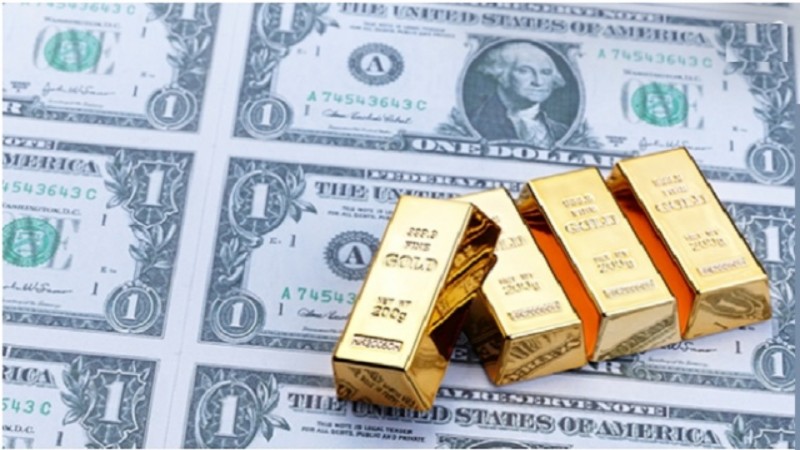
The Anatomy of the UK’s War Chest: What’s Inside?
What’s Inside? When looking at uk foreign exchange reserves, the assets held are not just piles of banknotes but a combination of highly liquid financial instruments:
- Foreign Currencies: This is the largest and most significant component. These are not physical cash but are held in the form of foreign government bonds, treasury bills, and other highly-rated government securities. The dominant currencies are typically the US Dollar (USD) and the Euro (EUR) due to their global acceptance and stability. Holding these allows the Bank of England to transact and intervene in the most important currency markets seamlessly.
- Gold: The oldest and most traditional reserve asset. Gold is held as a ultimate store of value, a hedge against inflation, and a safe-haven asset during times of extreme geopolitical or economic turmoil. Unlike foreign currencies, its value is not tied to any single country’s monetary policy, making it a crucial diversification tool.
- Special Drawing Rights (SDRs): This is an international reserve asset created by the International Monetary Fund (IMF). Its value is based on a basket of five major currencies—the US Dollar, the Euro, the Chinese Renminbi, the Japanese Yen, and the British Pound. SDRs can be exchanged for freely usable currencies among IMF members, providing an additional layer of liquidity.
- Reserve Tranche Position (RTP): This represents a portion of the capital subscription that each member country must provide to the IMF, which can be drawn upon in times of need. It’s effectively an emergency credit line with one of the world’s most stable financial institutions, further bolstering a country’s financial standing.
📈 The Strategic Imperatives: Why Do Nations Bother Hoarding Reserves?
Accumulating reserves isn’t about pride; it’s rooted in economic necessity. The purpose of foreign exchange reserves can be broken down into several key strategic imperatives used by central banks to navigate the global economy.
Guardian of the Realm: Stabilising the Pound Sterling (£)
The most direct impact of forex reserves is seen in managing the exchange rate. If there is a crisis of confidence and the Pound plummets, the Bank of England can use its foreign exchange reserves to buy Pound Sterling on the open market, supporting its value. Conversely, to prevent the Pound from becoming too strong, the bank can sell Pounds and buy foreign currency.
The Global Britain Safety Net: Ensuring Liquidity and Confidence
Beyond currency management, foreign exchange reserves explained as a safety net involve:
- Covering Import Bills: Nations pay for imports in foreign currency. Reserves ensure that even during a crisis when export revenues might dry up, the country can still afford to import essential goods like energy, food, and medical supplies.
- Servicing Foreign Debt: Governments and corporations often borrow money from international markets in foreign currencies. Reserves ensure that interest payments and principal repayments on this external debt can always be met, preventing a sovereign default which would have devastating consequences for the nation’s creditworthiness.
- A Buffer Against Shocks: Financial crises, natural disasters, or sudden capital flight can trigger a liquidity crisis. A healthy level of reserves provides a crucial buffer, giving the government the resources and time to implement corrective policies without being forced into a fire-sale of national assets.
A Lever of Power: A Tool for Monetary & Exchange Rate Policy
The very existence of substantial reserves acts as a powerful signal to international markets. A country with robust reserves is perceived as stable, well-managed, and less risky. This confidence translates into tangible benefits, such as a higher credit rating and lower borrowing costs for the government and UK companies. It signals that the central bank has the firepower to defend its currency and honour its debts, deterring speculative attacks and fostering a stable environment for investment.
📊 A Global Leaderboard: Sizing Up the World’s Reserves in 2026
While the strategy is complex, headline figures provide a snapshot of global power. The impact of forex reserves is evident in the league table of major exporting nations.
The Titans of Reserves: Unpacking the Strategies of China, Japan, and Switzerland
The countries at the top of the list have amassed colossal reserves for specific strategic reasons:
- China: Holds vast foreign exchange reserves (approx. $3.45 trillion) to manage the Yuan and fund global projects.
- Japan: With a consistently high savings rate and a status as a major exporter, Japan also holds enormous reserves. They are a key tool for the Bank of Japan to prevent the Yen—a traditional safe-haven currency—from becoming too strong and hurting its export-led economy.
- Switzerland: Similar to Japan, Switzerland’s Franc is a major safe-haven currency. The Swiss National Bank actively intervenes in currency markets, buying foreign assets to prevent the Franc from appreciating excessively and damaging its vital export and tourism sectors.
Where Does the UK Stand? The uk foreign exchange reserves are respectable but reflect a different structure. As the issuer of a major global currency, the UK focuses on high-quality assets to ensure stability rather than sheer scale. Investors monitoring these shifts often use tools like Ultima Markets MT5 to execute strategies based on these macro trends.
Where Does the UK Stand on the Global Stage?
As of 2025, the UK holds a respectable but not top-tier level of foreign exchange reserves. This is not a sign of weakness but reflects a different economic structure. As the issuer of a major global currency (Pound Sterling) and with deep, liquid capital markets, the UK has less need to hold massive reserves compared to export-driven economies with less flexible exchange rate regimes. The focus for the UK is on maintaining sufficient, high-quality reserves to ensure stability and confidence, rather than on sheer scale.
Global Foreign Exchange Reserves Comparison (Q1 2025 Estimates)
| Rank | Country / Region | Estimated Reserves (USD Billions) | Primary Reserve Currency | Key Economic Driver |
|---|---|---|---|---|
| 1 | China | $3,450 | USD | Manufacturing & Export Surplus |
| 2 | Japan | $1,320 | USD | Export of High-Tech Goods & Capital |
| 3 | Switzerland | $950 | EUR / USD | Safe-Haven Status & Financial Services |
| 4 | India | $650 | USD | Services Exports & Capital Inflows |
| 5 | Saudi Arabia | $580 | USD | Oil & Gas Exports |

🧭 The Savvy Investor’s Compass: How Forex Reserves Impact Your Portfolio
Understanding uk foreign exchange reserves and global holdings has direct implications for your portfolio. Monitoring these trends can provide insights into market movements.
Reading the Tea Leaves for Forex Markets (FX)
The impact of forex reserves on currency is clear:
- Rising Reserves: Often indicates a strong balance of payments, high investor confidence, and potential for the currency to appreciate. A central bank with growing reserves has more ammunition to defend against speculative attacks.
- Falling Reserves: This can be a major red flag. A rapid decline suggests capital flight, a worsening trade deficit, or that the central bank is actively spending its reserves to prop up a weakening currency. This situation is often unsustainable and can precede a significant devaluation, as seen in various emerging market crises.
Beyond Currency: The Ripple Effect on Bonds and Equities
The Ripple Effect A strong reserve position enhances a country’s creditworthiness. This leads to lower borrowing costs for the government, fostering a stable environment for equities. Companies can borrow more cheaply, which is beneficial for corporate growth. For those looking to capitalize on these movements, managing Ultima Markets Deposits & Withdrawals efficiently is key to maintaining liquidity in your own “war chest.”
A Barometer of Risk: Using Reserve Data to Assess Geopolitical and Economic Stability
In today’s interconnected world, a crisis in one country can quickly spread. By monitoring the foreign exchange reserves of key economies, you can gain an early warning of potential instability. For instance, if a major emerging market begins to see a rapid depletion of its reserves, it could signal an impending debt crisis that might have knock-on effects on global supply chains, commodity prices, and overall investor sentiment. This data can help you to de-risk your portfolio before the crisis becomes front-page news.
Conclusion: The Ultimate Financial Backstop
Foreign exchange reserves are the bedrock of a nation’s financial stability. For the discerning investor in 2026, they are an indispensable indicator of risk and opportunity. By understanding what is a foreign exchange reserve and the purpose of foreign exchange reserves, you can add a crucial layer of macro-economic insight to your analysis. As noted in various Ultima Markets Reviews, staying informed on these indicators helps ensure your portfolio remains resilient.
FAQ
1. How frequently are a country’s foreign exchange reserve levels reported?
Most central banks, including the Bank of England, report their foreign exchange reserve data on a monthly basis. The data is usually released with a short lag, typically within the first week or two of the following month. For major economies, this data is widely publicised and analysed by financial institutions and media.
2. Is it possible for a country to accumulate *too many* foreign exchange reserves?
Yes, this is known as excess reserve accumulation. While reserves provide security, holding too many can have drawbacks. The assets held (like US Treasury bonds) often provide very low returns. This capital could potentially be invested more productively within the domestic economy. Furthermore, the process of accumulating reserves can sometimes lead to inflationary pressures and other economic imbalances.
3. What are the consequences if a country’s reserves are depleted?
Running out of reserves is a full-blown economic crisis. The country can no longer defend its currency’s value, leading to hyperinflation. It would struggle to pay for essential imports, and would likely default on its international debt. This typically results in a complete collapse of investor confidence, economic recession, and the need for an emergency bailout from international bodies like the IMF.
4. Are cryptocurrencies like Bitcoin being considered for national reserves?
As of 2026, this is still a highly experimental and niche area. While a few countries (like El Salvador) have experimented with holding Bitcoin, major economies have not added cryptocurrencies to their official reserves. The primary concerns are extreme price volatility, regulatory uncertainty, and security challenges. For now, traditional assets like major foreign currencies and gold remain the undisputed core of official reserves.
*This article represents the author’s personal views only and is for reference purposes. It does not constitute any professional advice.*