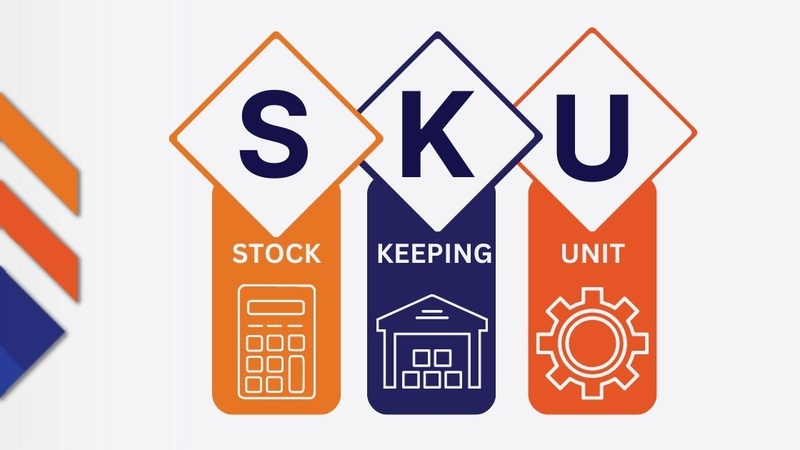
Invisible inventory errors reduce profits. This guide explains SKU meaning and shows what is SKU meaning in business, helping traders and retailers use a clear stock keeping unit system to improve inventory accuracy and operational efficiency.
Table of Contents
What Is a Stock Keeping Unit?
A stock keeping unit is a unique internal identifier assigned to every sellable product variation within a business. In practical terms, what is SKU meaning in business? It refers to the most detailed level at which inventory can be tracked, analysed, and managed.

Each SKU represents one specific combination of attributes. A medium black hoodie and a large black hoodie are not the same item operationally, even if they look similar to customers. Each must carry a different stock keeping unit to preserve accurate inventory data. This granular distinction is the core of SKU meaning and the foundation of modern inventory control.
SKU Meaning Beyond Labels and Codes
Many businesses assume an SKU is simply a random label. In reality, a stock keeping unit functions as the internal operating language of your business. Understanding deeper SKU meaning requires recognising several defining principles.
First, SKUs are internal by design. They are created solely for your organisation. Even if another retailer sells the identical product, their SKU will not match yours. This exclusivity is central to what is SKU meaning in business.
Second, SKUs are typically alphanumeric, allowing meaningful attributes—such as colour, size, or category—to be embedded directly into the code. Finally, strict uniqueness is non-negotiable. If two different items share the same stock keeping unit, the SKU system fails entirely.
How Stock Keeping Units Work in Real Operations
Seeing SKUs applied in real scenarios makes SKU meaning easier to grasp. A structured SKU instantly communicates product details to your warehouse, accounting system, and analytics tools.
For example, a clothing retailer might encode brand, product type, colour, and size directly into each stock keeping unit. A coffee merchant may include roast type and package weight. A technology seller may reflect storage capacity or colour variation.
This clarity is not cosmetic—it directly affects picking accuracy, sales reporting, and replenishment decisions. When teams understand how to create SKU numbers properly, errors decline and efficiency rises.
SKU vs UPC Difference: Why Both Matter
One of the most misunderstood topics in retail operations is the SKU vs UPC difference. While both appear as product codes, their purposes are fundamentally different.
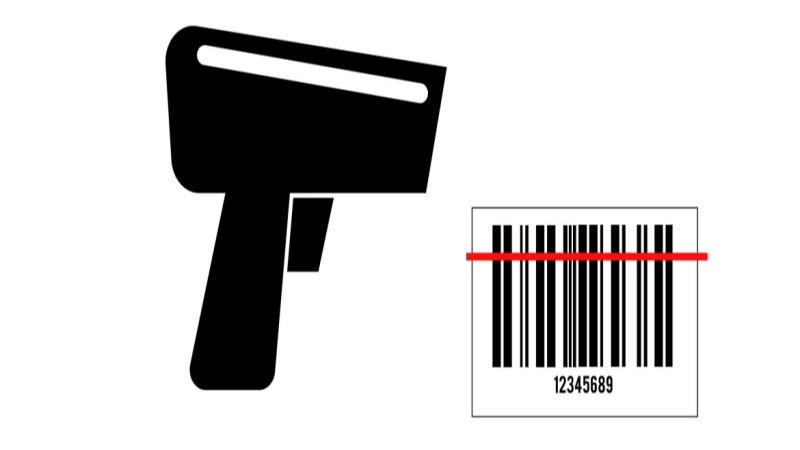
A stock keeping unit is an internal identifier controlled entirely by the business. A UPC, by contrast, is a globally standardised barcode issued by GS1 and shared across all retailers selling the same product.
Understanding the SKU vs UPC difference is critical for businesses operating across online marketplaces, physical stores, and international supply chains. Your UPC ensures compatibility with external partners, while your SKU preserves internal control.
Using SKUs and UPCs Together Strategically
SKUs and UPCs are not substitutes; they are complementary tools. The UPC allows seamless scanning, logistics coordination, and marketplace compliance. The stock keeping unit powers internal intelligence—profit analysis, warehouse optimisation, and SKU-level forecasting.
This dual-layer system mirrors how traders evaluate platforms before execution. Just as professionals examine Ultima Markets reviews before committing capital, retailers must ensure both external compatibility and internal precision when managing inventory.
Why SKU Meaning Directly Impacts Profitability
A well-structured stock keeping unit system underpins profitable decision-making. Poor inventory visibility costs businesses trillions globally, and misunderstanding what is SKU meaning in business remains a major cause.
SKUs convert physical stock into measurable data. Without them, forecasting becomes guesswork. With them, businesses operate with confidence. This philosophy mirrors trading principles, where capital protection and fund safety are prioritised before returns.
Inventory Accuracy and Demand Forecasting
Accurate SKUs deliver real-time insight into stock levels at the most granular level. Businesses can identify exactly how many units of each variant remain, preventing both stockouts and excess inventory.
Here, SKU meaning becomes forecasting power. Historical stock keeping unit data reveals seasonality, demand trends, and reorder timing. Instead of reacting late, businesses plan ahead—reducing holding costs while protecting revenue.
Turning SKU Data Into Sales Intelligence
Tracking performance by stock keeping unit exposes what truly drives profit. One variation may outperform others by a wide margin, while another quietly erodes margins through slow turnover.
This SKU-level insight often confirms the Pareto principle, where a minority of SKUs generate the majority of revenue. Identifying this requires more than intuition—it requires disciplined implementation of SKU meaning in daily operations.
Just as traders analyse price action on advanced platforms like Ultima Markets MT5, retailers must analyse SKU-level data to refine product strategy and capital allocation.
Operational Efficiency and Customer Experience
A logical stock keeping unit structure accelerates fulfilment. Warehouse teams locate items faster, picking errors decline, and returns decrease. These operational gains directly improve customer satisfaction and protect margins.
Efficient SKU systems also stabilise cash flow. Smooth inventory movement mirrors the importance of reliable deposits and withdrawals in trading—without friction, operations remain fluid.

Designing a Scalable SKU Architecture
Designing Scalable SKU ArchitectureCreating SKUs randomly leads to long-term pain. A scalable structure ensures that learning how to create SKU numbers remains intuitive as the catalogue grows.
Effective SKU architecture prioritises clarity, consistency, and future expansion. Every SKU should be understandable not just today, but years from now, even by new team members.
Best Practices for Creating SKU Numbers
Strong SKU systems follow clear rules. Keeping codes readable prevents data corruption and operational confusion. Letters and numbers should be intuitive, with separators that are software-friendly.
Each stock keeping unit should begin with a broad identifier—such as brand or category—before narrowing into specific attributes. Leading zeros should be avoided, as many systems remove them automatically. Ambiguous characters that resemble numbers should also be excluded.
Above all, consistency is paramount. Once a format is chosen, it must be applied uniformly across all products.
A Practical Framework for Building SKUs
To understand how to create SKU numbers effectively, businesses can follow a structured approach.
Start by identifying attributes that truly differentiate products. These often include brand, product type, colour, size, material, or packaging. Next, assign short, standardised codes to each attribute. Then arrange them from general to specific.
Finally, combine these elements into a single stock keeping unit and deploy it across all systems. Training teams on SKU meaning ensures long-term accuracy and adoption.

Cunclusion
Understanding SKU meaning is only the first step. Real value emerges when SKUs are implemented consistently and used as decision-making tools. A disciplined stock keeping unit system transforms inventory from a static cost into a dynamic intelligence asset.
The most immediate action is an audit. If your current product identification lacks structure or clarity, now is the time to redesign it. Businesses that master what is SKU meaning in business gain sharper control, lower costs, and stronger scalability in an increasingly competitive market.
FAQ
Q:Can two products share the same SKU?
No. A stock keeping unit must always be unique. Sharing SKUs across different products destroys data accuracy.
Q:Is there a maximum number of SKUs?
There is no technical limit. The constraint lies in system capability, not SKU quantity.
Are SKUs the same as serial numbers?
No. SKUs identify product types, while serial numbers track individual units.
Q:Do small businesses really need SKUs?
Yes. Implementing SKUs early prevents costly mistakes and supports scalable growth from day one.