The Direct Answer: Silver’s Role in a 2026 Portfolio
Let us be unequivocal: viewing investing in silver merely as a rudimentary inflation hedge is an anachronistic, early-2020s perspective. As of 2026, silver investment has evolved into a complex instrument of tactical volatility and industrial demand exposure. Within a sophisticated portfolio, physical silver and silver ETFs serve distinct strategic functions, making the decision of how to start investing in silver more critical than ever for institutional and retail capital. 🧭
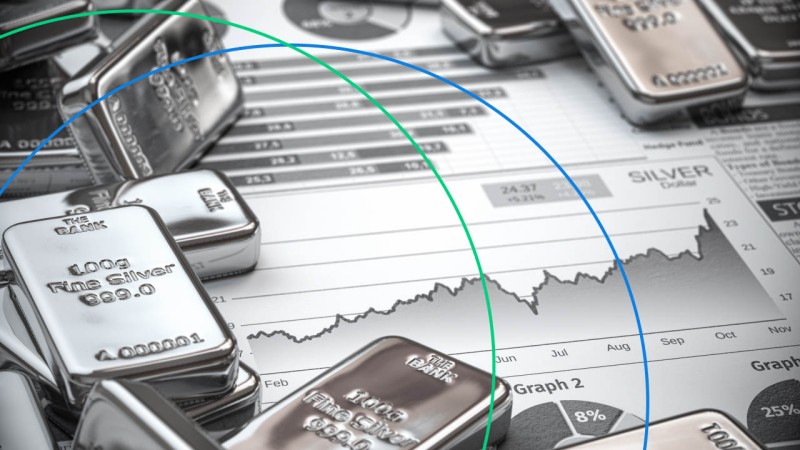
Beyond the Hype: A Data-Driven Look at Silver’s Performance (2021-2026)
An objective analysis of the past five years reveals a narrative of significant fluctuation. While the post-pandemic stimulus of 2021 provided a tailwind, the subsequent period of aggressive monetary tightening from 2022-2024 introduced substantial headwinds. 📊
By 2025, with inflation finding a new equilibrium and global industrial output recalibrating towards green technologies—solar panels, electric vehicles, 5G infrastructure—silver’s industrial demand component (over 50% of its total demand) has become the primary driver of its valuation, supplanting its monetary appeal for institutional capital. Price action has been characterised by sharp, sentiment-driven rallies followed by prolonged periods of consolidation. It is not an asset for passive allocation; it is a tool for active management.
The Regulatory Landscape: FCA & LBMA Oversight Explained
For any UK-based investor, understanding the regulatory framework is non-negotiable. The Financial Conduct Authority (FCA) governs the sale and marketing of silver-backed derivatives like Exchange Traded Funds (ETFs) and Contracts for Difference (CFDs). This ensures a layer of consumer protection regarding transparency and fair dealing.
However, the physical bullion market operates under a different set of standards, primarily dictated by the London Bullion Market Association (LBMA). The LBMA’s Good Delivery standards for silver bars are the de facto global benchmark, assuring weight, purity (minimum 99.9%), and provenance. Trading outside of this ecosystem, particularly with unregulated dealers, introduces significant counterparty risk. ⚠️
Before You Invest: Understanding the TRUE Cost of Silver Ownership
A novice investor sees the spot price. A professional analyst calculates the Total Cost of Ownership (TCO). The difference between these two figures is where profits are either realised or eroded. Let’s dissect the friction costs inherent in each silver investment vehicle. 🔍
The Hidden Drain: Premiums, Spreads, and Assay Fees on Physical Silver
When you purchase a physical silver coin or bar, you do not pay the spot price. You pay the spot price plus a ‘premium’. This premium covers the costs of fabrication, minting, dealer overhead, and profit. For a 1oz silver Britannia coin, this can range from 8% to 20% over spot, depending on market conditions and dealer.
Furthermore, when you sell, you will do so at the ‘bid’ price, which is typically below the spot price. The difference between the dealer’s buying price (bid) and selling price (ask) is the ‘spread’. For a £10,000 investment, a 5% spread immediately represents a £500 hurdle that the underlying asset price must overcome before you break even. Storage and insurance fees for vaulted silver add another recurring cost, typically 0.5% to 1.5% annually. 💰
Paper vs. Physical: Unpacking ETF Total Expense Ratios (TERs) and Tracking Errors
A Silver ETF appears simpler. It trades like a stock, and its price tracks the spot price of silver. The primary explicit cost is the Total Expense Ratio (TER), an annual fee charged by the fund manager. As of 2026, competitive physically-backed silver ETFs carry TERs between 0.20% and 0.45%.
However, a hidden cost exists: ‘tracking error’. This is the deviation between the ETF’s performance and the actual silver spot price. It can arise from the fund’s cash drag, transaction costs, or the need to sell silver to cover expenses. While often minimal, during periods of high market stress, tracking error can become a significant factor. It is imperative to analyse an ETF’s historical tracking error, not just its TER.
The Leverage Trap: Slippage and Overnight Financing Costs in Silver CFDs
For the active trader, Silver CFDs offer leverage and the ability to profit from both rising and falling prices. However, the costs are substantial and designed for short-term exposure. The spread on a Silver CFD can be tight, but the real cost lies in ‘overnight financing’. If you hold a position past the market close, you are charged a fee (or may receive one), which is calculated based on interbank lending rates plus a broker markup. 📈
‘Slippage’ is another critical risk. This occurs when your order is executed at a price different from the one you requested, a common occurrence in fast-moving, volatile markets. On a large, leveraged position, a few points of slippage can have a material impact on your P&L. For a comprehensive overview of leveraged products, our Beginner’s Guide to CFD Trading (2026) provides an essential framework.
2026 Silver Investment Matrix: A Comparative Analysis of Strategic Options
The optimal method for gaining silver exposure is contingent on your specific objectives: capital preservation, liquidity, growth potential, or active trading. The following matrix provides a top-level quantitative comparison, which we will analyse in depth below.
| Investment Vehicle | Typical Cost Structure | Liquidity | Admin & Storage Burden | Counterparty Risk |
|---|---|---|---|---|
| Physical Bullion (Coins/Bars) | 8-20% Premium + Spreads + Storage Fees (0.5-1.5%/yr) | Low to Moderate | High | Low (if held personally) |
| Silver-Backed ETFs | TER (0.20-0.45%/yr) + Brokerage Commissions | Very High | Very Low | Moderate (Custodian Risk) |
| Silver Mining Equities | Brokerage Commissions + Spreads | High | Low | High (Operational & Political Risk) |
| Silver CFDs / Futures | Spreads + Overnight Financing + Slippage | Very High | Very Low | High (Broker Default Risk) |
Overall Winner for Purity & Control: Physical Bullion (Bars & Coins)
💡 **Best for:** The sovereign investor focused on long-term wealth preservation and who operates with a degree of mistrust in the financial system.
Owning physical silver provides the ultimate hedge against systemic financial risk. It is a tangible asset with no counterparty, under your direct control. The primary choice is between government-minted coins (e.g., Britannias, American Eagles) and LBMA-certified bars. Coins offer greater divisibility but carry higher premiums. Large bars (e.g., 1kg or 100oz) offer the lowest premium over spot but are less liquid.
The operational playbook is critical. One must source from a reputable dealer, verify authenticity, and arrange for secure, insured storage—either at home in a high-grade safe or via a third-party vault. The high entry (premiums) and exit (spreads) costs make this vehicle unsuitable for frequent trading.
Best for Liquidity & Low Friction: Silver-Backed ETFs
💡 **Best for:** The portfolio allocator seeking convenient, cost-effective, and liquid exposure to silver’s price movements.
Exchange Traded Funds such as the iShares Silver Trust (SLV) or the Aberdeen Standard Physical Silver Shares ETF (SIVR) are the default choice for most investors. They are bought and sold through a standard brokerage account, eliminating the burdens of storage and insurance. The low TERs make them highly efficient for long-term holding periods.
The ‘catch’ is the layer of abstraction. You do not own the silver; you own shares in a trust that owns the silver. This introduces custodian risk—the risk that the entity storing the physical silver for the ETF could fail. While remote for major funds using established vaults like JPMorgan or HSBC, it is a non-zero risk that physical owners avoid.
The High-Beta Play: Silver Mining Equities
💡 **Best for:** The growth-oriented investor with a high-risk tolerance seeking leveraged exposure to the silver price.
Investing in companies that mine silver, such as Wheaton Precious Metals or Pan American Silver, is an indirect play on the commodity. Mining stocks are effectively leveraged instruments. A 10% increase in the silver price can result in a 30-50% increase in a miner’s profitability, leading to outsized share price performance. This leverage, however, works in both directions.
Investors are exposed to a host of risks unrelated to the silver price: operational failures, geopolitical instability in mining jurisdictions, management incompetence, and fluctuating energy costs. This is not a pure silver play; it is an equity investment in a highly cyclical and volatile industrial sector. Thorough due diligence on company balance sheets and production costs is paramount.
For the Active Trader: Futures & CFDs
💡 **Best for:** The sophisticated, short-term speculator or professional trader employing active risk management protocols.
Futures contracts and CFDs are derivatives that allow traders to speculate on the price of silver without ever owning the underlying asset. They offer immense leverage, meaning a small capital outlay can control a large position. This is the realm of high-frequency trading, algorithmic strategies, and intraday speculation.
The cost structure (spreads, overnight financing) makes long-term holding prohibitively expensive. This is a high-stakes environment where a robust understanding of technical analysis, market liquidity, and, most importantly, disciplined risk management is essential. For the untrained, it is the fastest route to capital destruction.
The ‘Niche’ Holdings: Managing Non-Standard Silver Assets
Many individuals inherit or accumulate silver items that fall outside the category of investment-grade bullion. Valuing and liquidating these assets requires a different approach.
Sterling Silverware & Jewellery: From Asset to Scrap
Items marked ‘Sterling’ or ‘925’ are 92.5% pure silver. Their value is primarily their ‘melt value’ or ‘scrap value’. Reputable bullion dealers or precious metal refiners will purchase these items, but they will pay a price significantly below the spot price to account for the cost of melting and refining. Expect to receive anywhere from 70% to 90% of the intrinsic silver value. It is crucial to get quotes from multiple sources.
The Numismatic Market: When is a Coin Worth More Than its Metal?
Some silver coins possess a ‘numismatic value’ that far exceeds their silver content. This value is determined by rarity, historical significance, condition (grading), and collector demand. Pre-1947 British silver coins, for example, have a silver content but are primarily traded based on their numismatic qualities.
Determining this value is a specialist skill. Consulting a member of the British Numismatic Society or a professional grading service is the first step. Selling through a specialist auction house rather than a bullion dealer is often the optimal route for maximising returns on such items.
A Warning About Unregulated Assay Services and Dealers
⚠️ Be extremely cautious of ‘cash for silver’ services that operate via mail or pop-up kiosks. These outfits often offer deeply discounted prices and lack transparency. Always deal with established, reputable firms with a physical address and a clear pricing structure. Any valuation should be done in your presence, and the weighing scales should be clearly visible and certified.
Further Reading: Risk Management Protocols
Effective management of any asset, particularly a volatile one like silver, requires a disciplined approach to risk. Understanding concepts like position sizing, stop-loss orders, and portfolio correlation is critical. We recommend reviewing our comprehensive guide on In-Depth Guide to SMC Trading & Risk Management for tactical insights.
Expert Financial Verdict & Your Action Plan
As a seasoned market analyst, my advice is clear: your choice of silver instrument must be a direct consequence of a clearly defined strategic objective. There is no single ‘best’ way to invest in silver, only the most appropriate way for your specific capital, timeframe, and risk tolerance. 🧭
For Capital Preservation & Low-Risk Tolerance (5+ Year Horizon)
Our top recommendation is a dual allocation. A core holding (70%) in a low-cost, physically-backed Silver ETF for liquidity and efficiency. A satellite holding (30%) in physical, sovereign-minted 1oz coins (e.g., Britannias) for direct ownership and a hedge against systemic risk. This hybrid approach balances cost, liquidity, and security.
For Aggressive Growth & High-Risk Tolerance (1-3 Year Horizon)
The most tactical choice involves silver mining equities. This requires significant research to select fundamentally sound companies in stable jurisdictions. This position should be actively monitored, as it carries both commodity price risk and equity market risk. For those with the requisite expertise, CFDs can be used for short-term tactical plays around key economic data releases, but this is a professional-grade strategy.
Final Checklist Before You Commit Capital
- Define Your Objective: Am I hedging, speculating, or preserving wealth?
- Calculate Total Cost: Have I accounted for all premiums, fees, spreads, and storage costs?
- Verify the Counterparty: Is my broker FCA-regulated? Is my dealer LBMA-affiliated?
- Plan Your Exit: How and at what cost will I liquidate this position?
- Assess Your Risk Tolerance: Can I withstand a 20-30% drawdown without a panicked liquidation?
FAQ
Here we address common queries with the clarity required for financial decision-making.
Is it better to buy silver bars or coins in the UK?
For pure investment purposes, large silver bars from an LBMA-approved refiner offer the lowest premium over the spot price, making them the most cost-effective way to acquire a large quantity of silver. However, silver coins, such as the UK Britannia, are Capital Gains Tax (CGT) exempt for UK residents, which can be a significant advantage. Coins also offer better liquidity and divisibility for smaller transactions.
Are silver ETFs safe?
Physically-backed silver ETFs from major issuers are generally considered safe. They are regulated financial products, and the underlying silver is stored in secure, audited vaults. The primary risks are custodian risk (the insolvency of the vaulting provider) and tracking error. It is crucial to choose ETFs from reputable providers that use world-class custodians.
How is silver taxed in the UK?
Investment-grade silver bullion (bars) is subject to Value Added Tax (VAT) at 20% upon purchase, which is a significant deterrent for many UK investors. However, profits from selling silver are subject to Capital Gains Tax (CGT), if they exceed the annual allowance. An important exception is UK legal tender silver coins, like the Silver Britannia, which are exempt from CGT.
Can I use a CFD to trade silver spot prices?
Yes, CFDs are one of the most common ways to speculate on the spot price of silver. They allow you to trade on margin (with leverage) and go long (bet on the price rising) or short (bet on the price falling). However, they are complex, high-risk instruments due to leverage and overnight financing costs, and are primarily suited for experienced, short-term traders. The FCA requires brokers to provide prominent risk warnings, as a high percentage of retail investors lose money trading CFDs.
Risk Warning: The information provided in this article is for analytical and educational purposes only and does not constitute financial advice. Trading commodities, equities, and derivatives involves a substantial risk of loss and is not suitable for every investor. Past performance is not indicative of future results. You should carefully consider your investment objectives, level of experience, and risk appetite before making any investment decisions. Consult with an independent financial advisor before committing capital.