For traders and entrepreneurs, understanding OEM meaning, and OEM vs ODM is crucial when evaluating manufacturing strategy and controlling OEM manufacturing costs for long-term profit.
What Exactly Does OEM Mean?
To fully understand OEM meaning, we must answer a simple question: what is OEM?
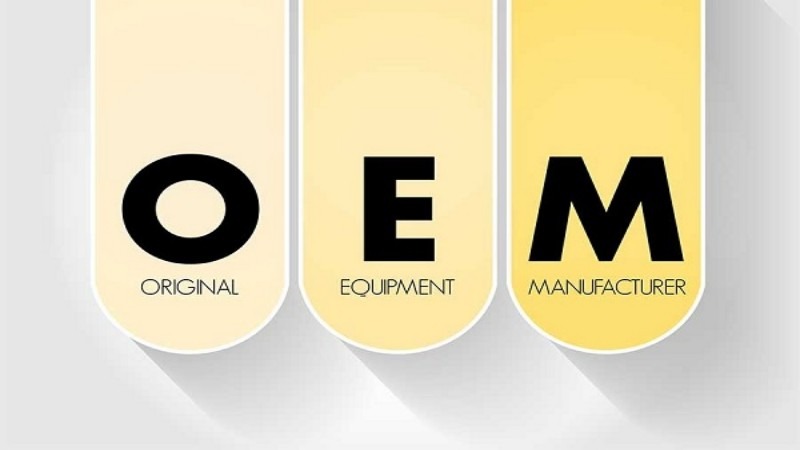
An Original Equipment Manufacturer (OEM) refers to a company that produces parts or finished products for another brand to sell under its own name. This is the true original equipment manufacturer explained in the global supply chain.
In an OEM relationship, your brand owns the design, specifications, and intellectual property (IP), while the OEM executes production. This structure defines what is OEM at its core—your vision, their factory.
Understanding OEM meaning is critical for traders who want full control over branding, pricing, and profit structure, while managing OEM manufacturing costs efficiently.
Key Roles in an OEM Collaboration
Understanding the roles in an OEM relationship is essential for grasping its full oem meaning. Each party has clearly defined responsibilities:
Your Brand (The Visionary): You develop the product, including research, design, marketing, sales, and customer service. Crucially, your company maintains complete ownership of the IP, making it a long-term asset.
The OEM (The Builder): Your manufacturing partner handles sourcing materials, assembly, and quality assurance, ensuring the final product matches your exact specifications. Their focus is production efficiency, not creating the product itself.
Example in Practice: Apple & Foxconn
Apple designs the iPhone in California. Foxconn, its OEM partner, manufactures the device at a massive scale. This classic case is often used when the original equipment manufacturer explained in textbooks.
Other examples include:
- BMW sourcing components from ZF
- Dell installing Microsoft OEM software
These all reflect how OEM meaning applies across industries.
OEM vs. ODM: Strategic Insights for Traders
The primary difference in OEM vs ODM lies in IP ownership. With OEM, your brand owns the design. ODM, in contrast, provides a pre-existing design you can brand, often with minor modifications.
When to Consider OEM:
- You aim to create a distinctive, defensible product
You have capital for upfront R&D and tooling costs - Control over quality and brand identity is critical
When ODM Might Be Better:
- You prioritize rapid market entry
- Capital or technical design capability is limited
Understanding OEM vs ODM directly impacts your business scalability, pricing power, and long-term valuation.
Understanding the Costs of OEM Production
For traders, the most sensitive factor is always OEM manufacturing costs. These costs directly affect ROI and cash flow.
Typical OEM Expenses:
- Tooling & Molds (Non-Recurring Engineering): Custom molds for parts can range from $5,000 to over $50,000 depending on complexity.
- Prototyping & Samples: Iterative design testing usually costs between $500 and $3,000.
- Minimum Order Quantity (MOQ): Factories require a minimum number of units to run production efficiently, often from 500 to 10,000 units.
- Unit Production Costs: The per-unit cost decreases with higher volumes. For instance, producing 1,000 units at $20 each totals $20,000, while 10,000 units might drop to $15 each.
- Logistics & Import Fees: Shipping, insurance, and tariffs can add 10–20% to costs.
- Hidden Fees: Factory audits, third-party quality checks, and IP protection may add extra expenses.
All these variables shape total OEM manufacturing costs and determine whether your project is truly profitable.
Calculating ROI:
ROI is critical for traders evaluating OEM projects. For example:
- Initial Investment: $125,000 (tooling + MOQ)
- Unit Sale Price: $50
- Units Sold: 5,000
- Revenue: $250,000
- Gross Profit: $125,000
- ROI: 100%
This shows why traders accept higher OEM manufacturing costs in exchange for stronger profit potential and IP ownership.
Finding a Trustworthy OEM Partner
Choosing the wrong manufacturer destroys profit regardless of how well you understand OEM meaning.
Sources for OEMs:
- Online Marketplaces: Platforms like Alibaba or Ultima Markets help identify factories.
- Trade Shows: International events, such as CES or Canton Fair, allow direct inspection of factory capabilities.
- Referrals & Agents: Professional networks or sourcing agents can save time and reduce risk.
Due Diligence Steps:
- Verify licenses and quality certifications (ISO 9001, etc.)
- Request product samples and client references
- Assess communication and responsiveness
- Consider factory audits or third-party inspections
Strong supplier control is how traders protect OEM manufacturing costs from spiraling out of control.
Advantages and Risks of OEM for Traders
Advantages:
- Full IP and brand ownership
- Strong differentiation
- Long-term pricing power
- Higher enterprise valuation
Risks:
- High upfront OEM manufacturing costs
- Longer time-to-market
- Higher financial exposure
- Complex international payments
To reduce financial risk, traders often use platforms like Ultima Markets for currency hedging and fund security during international OEM transactions.
For safe fund management while engaging international OEMs, platforms like Ultima Markets fund safety provide secure mechanisms for deposits, withdrawals, and currency hedging. Traders can also leverage tools like Ultima Markets MT5 for forex hedging to manage international payment risks.
Conclusion: Is OEM the Right Path for You?
If you truly understand OEM meaning, you know OEM is not just about production—it is about owning your future profit engine.
- Choose OEM if: You have a validated, unique design, access to capital ($50,000+), technical expertise, and a long-term brand vision.
Consider ODM if: Speed-to-market is your priority, capital or design skills are limited, and the focus is mainly on sales and marketing.
Understanding the true OEM meaning is not just about production—it’s a strategic investment in your brand’s equity and competitive advantage. For traders managing international supply chains, platforms like Ultima Markets Deposits & Withdrawals and Ultima Markets Reviews can provide critical operational support.

FAQ
Q:Are OEM parts of lower quality than brand-labeled parts?
No. OEM parts are made to the same specifications and standards as the original products; they simply lack the brand packaging.
Q:How do OEM and aftermarket products differ?
OEM parts are manufactured by the original supplier. Aftermarket products are made by third-party companies and may vary in quality.
Q:Why is OEM software cheaper?
OEM software often comes with restrictions, such as being tied to a specific device, which reduces licensing costs compared to retail versions.
Q:How can traders manage international currency risk with OEM payments?
Traders can hedge against currency fluctuations using MT5 platforms or forward contracts to ensure predictable costs.