Iran’s currency crisis is not just about a weaker exchange rate. It is a broader financial breakdown involving chronic foreign exchange (FX) shortages, severe inflation, distorted pricing mechanisms, and a profound loss of public confidence in the rial as a store of value.
For traders and investors, understanding these interconnected elements is crucial to navigating the market and assessing future risks. This situation represents a textbook example of how monetary instability can permeate an entire economic structure, a dynamic thoroughly iran currency crisis explained by its persistent and multifaceted nature.
What the Iran Currency Crisis Actually Means for Traders
For traders, the crisis translates into extreme volatility, significant counterparty risk, and a disconnect between official and market-based valuations. It is a high-risk environment where conventional financial metrics are unreliable, and the primary driver of value is access to hard currency, not domestic economic performance. The informal market rate, not the one set by the Central Bank, is the true benchmark for most transactions.
From a Weak Rial to a Full-Blown Financial Crisis
The downward spiral of the Iranian rial is a chain reaction where each stage exacerbates the next, transforming a currency issue into a systemic financial crisis. This process is not random; it follows a clear and destructive pattern that has been observed in other economies under similar pressures. The way the iran currency crisis explained this linkage is key to understanding its depth.
- FX Constraints: A structural shortage of accessible hard currency (like the US dollar or Euro) is the starting point. Limited access to foreign exchange reserves hinders the ability to pay for imports and stabilise the national currency.
- Weaker Rial: With demand for foreign currency far outstripping supply, the value of the rial on the open market plummets. This depreciation is often rapid and severe.
- Higher Import Costs: As the rial weakens, the cost of importing everything from raw materials to finished goods soars, feeding directly into domestic prices.
- Inflationary Spiral: Rising import costs trigger widespread inflation. International financial institutions reported annual inflation rates exceeding 30% in 2023 and 2024, eroding the purchasing power of ordinary citizens and businesses.
- Flight from Local Currency: Faced with rapidly diminishing value, savers and investors abandon the rial in favour of more stable assets like foreign currencies, precious metals, or real estate, further increasing pressure on the rial.
- Pressure on Banks and Savings: The public’s loss of confidence stresses the banking system, as depositors may seek to withdraw their savings, while the real value of both deposits and bank assets deteriorates.
Understanding the Multiple Exchange Rates and Market Distortion
The existence of several different exchange rates simultaneously is a hallmark of the iran currency crisis explained by market fragmentation. These rates create significant distortions and opportunities for arbitrage, but they also make business planning nearly impossible. An importer’s profitability can depend entirely on which rate they are granted access to for purchasing foreign currency.
| Rate Type | Purpose | Typical Value (Relative) |
| Official Subsidised Rate | Used for importing essential goods like basic food and medicine. | Most favourable (e.g., 42,000 IRR/USD – historical). Highly restricted. |
| NIMA Rate | A managed market rate for exporters to sell their FX earnings and for importers of non-essential goods. | Significantly higher than the official rate, but below the open market. |
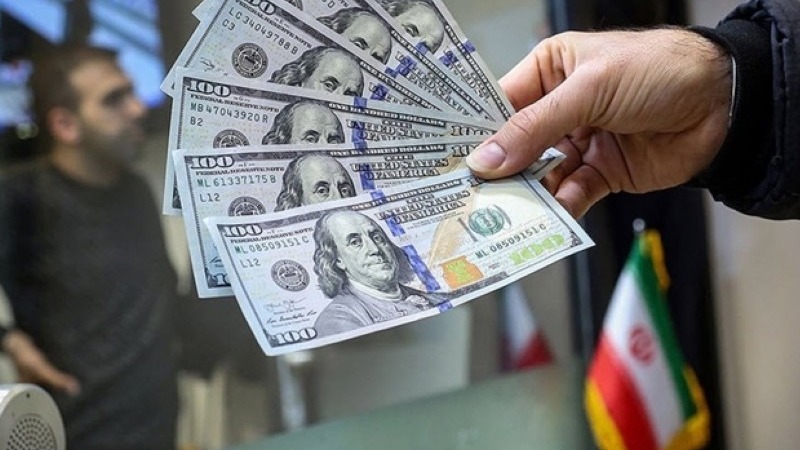
| Open Market (Unofficial) Rate | The ‘street’ rate used by individuals and businesses for all other purposes. Reflects true supply and demand. | Highest rate (e.g., over 600,000 IRR/USD at times). The de facto benchmark. |
The Three Core Forces Driving the Crisis
The crisis is not driven by a single factor but by the interplay of three powerful, self-reinforcing forces. These drivers have created a persistent state of instability that has been difficult for monetary authorities to break. Fully understanding the iran currency crisis explained here requires grasping how these three elements feed off one another.
How Foreign Exchange (FX) Shortages Constrain the Economy
The fundamental issue is a structural deficit in the supply of hard currency. Access to revenues from key exports, such as oil, is often constrained, meaning that even if production is high, the ability to convert those earnings into usable foreign exchange and repatriate them is limited. This bottleneck starves the economy of the dollars and euros needed to pay for imports, service foreign-denominated obligations, and defend the rial’s value.
The Vicious Cycle of Inflation and Depreciation
Inflation and currency depreciation are locked in a destructive feedback loop. A weaker rial makes imports more expensive, driving up inflation. In response to high inflation, which erodes the value of their savings, people sell their rials to buy foreign currency, further weakening the rial.
This cycle has become entrenched, making it exceptionally difficult to stabilise either prices or the exchange rate independently. Any policy that only addresses one side of the equation without tackling the other is likely to fail.
Why a Loss of Public Confidence Accelerates the Decline
The final and perhaps most critical driver is psychology. When the public loses faith in a currency, it ceases to function as a reliable store of value. This loss of confidence prompts a behavioural shift where individuals and businesses do everything possible to minimise their holdings of the local currency.
They demand payment in or immediately convert revenues to US dollars or other hard assets. This ‘dollarisation’ of the economy reduces demand for the rial, creating a self-fulfilling prophecy of its decline. The iran currency crisis explained simply cannot be understood without accounting for this collapse in trust.
How the Crisis Impacts Households, Importers, and Banks
The currency crisis has tangible, severe consequences for all sectors of the economy. It is not an abstract financial phenomenon but a daily reality that shapes economic decisions from the household level to the corporate boardroom. The widespread effects are a core part of having the iran currency crisis explained accurately.
The Erosion of Savings and Purchasing Power
For ordinary households, the primary impact is a devastating loss of wealth. A lifetime of savings held in rial-denominated bank accounts can see its international purchasing power wiped out in a matter of months. A person holding 1 billion rials might have seen its value fall from over $30,000 to under $2,000 in just a few years. This hyperinflationary environment makes long-term financial planning impossible and pushes many into poverty.
Why the Unofficial Market Rate Tells the Real Story for Importers
Importers face immense uncertainty. While they may apply for foreign currency at a preferential rate, there is no guarantee it will be allocated. Consequently, most must source their FX on the open, unofficial market. This means their input costs are determined by the volatile ‘street’ rate, which can fluctuate wildly based on political news and market sentiment. This unpredictability makes it extremely difficult to price goods, manage inventory, and maintain profitability.
Why Surface-Level Fixes Are Failing
In response to the crisis, monetary authorities have implemented several measures, but these have largely treated the symptoms rather than the root causes. These policies often generate headlines but have little lasting impact on the underlying economic drivers. The ineffectiveness of these solutions is a crucial part of the iran currency crisis explained narrative.
The Limited Impact of Larger Banknotes
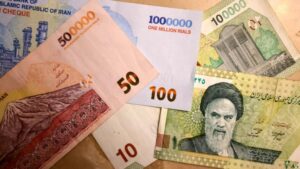
The introduction of banknotes with higher denominations, such as 100,000 or 200,000 rial notes, is a direct consequence of inflation. When the value of the currency falls, more of it is needed for simple transactions, making carrying cash cumbersome.
While larger notes make cash logistics more convenient, they do nothing to address the fall in the currency’s value. In fact, they are often seen as an implicit acknowledgement by the central bank that high inflation is persistent.
How Redenomination Doesn’t Solve the Root Problem
There has been official approval for a redenomination plan to slash four zeros from the currency, effectively turning 10,000 old rials into one new ‘toman‘. This is primarily a cosmetic change aimed at simplifying accounting and making prices easier to comprehend.
However, without addressing the fundamental drivers of the crisis—FX shortages, high inflation, and lack of confidence—redenomination is merely a recalibration. The new currency unit, if subject to the same economic pressures, will simply begin its own depreciating trend.
Outlook for the Iranian Rial Through 2026
Forecasting the rial’s trajectory through 2026 is fraught with uncertainty, but traders can analyse the key factors that will determine its path. A continuation of the status quo points towards further depreciation, while any meaningful stabilisation would require fundamental shifts in the underlying economic constraints.
Key Factors to Watch for Potential Stabilization
True stabilisation of the rial hinges on several interconnected developments.
The primary requirement is a significant and sustained improvement in the availability of foreign exchange. This would allow the central bank to meet import demand and intervene to support the currency.
Secondly, credible policy measures must be implemented to rein in inflation and break the wage-price spiral.
Finally, and most importantly, these actions must be convincing enough to restore public confidence in the currency and the broader economic management.
Practical Financial Strategies for Navigating the Uncertainty
For entities operating in or exposed to the Iranian market, financial strategy must prioritise capital preservation and currency risk mitigation. Holding assets in hard currencies is the most direct hedge.
Businesses should price goods and services based on the unofficial exchange rate and keep payment cycles as short as possible to minimise exposure to rial depreciation. Barter-style transactions or the use of alternative financial channels may also become more prevalent. Any iran currency crisis explained for a trader must conclude that direct exposure to the rial is an extreme risk.
Conclusion
The Iran currency crisis is a complex issue rooted in deep structural economic challenges. It is not simply a matter of a falling exchange rate but a symptom of interconnected problems including foreign exchange scarcity, chronic inflation, and a widespread collapse in confidence. Superficial fixes like issuing larger banknotes or redenominating the currency fail to address these core drivers.
For traders and investors looking towards 2026, the key takeaway from having the iran currency crisis explained is that any prospect of stabilisation depends entirely on a fundamental improvement in FX liquidity and the implementation of credible, confidence-building economic policies. Without these, the path of least resistance remains further depreciation and volatility.
Frequently Asked Questions (FAQ)
What are the primary causes of Iran’s currency crisis?
The primary causes are hard-currency shortages, high inflation, and weak confidence in the rial. Together, these forces reduce the supply of usable foreign exchange while increasing demand for safer assets like the US dollar, putting sustained pressure on the currency.
Why does the Iranian rial keep losing value?
The rial keeps losing value because demand for foreign currency is much stronger than supply. Persistent inflation also encourages households and businesses to move out of rial-denominated savings, which adds further pressure to the exchange rate.
How does the currency crisis affect inflation and personal savings?
The currency crisis pushes inflation higher and erodes the real value of personal savings. As the rial weakens, imported goods become more expensive, while cash and bank deposits held in local currency lose purchasing power over time.
What is the difference between the official and unofficial exchange rates in Iran?
The official exchange rate is a controlled rate used for selected essential transactions, while the unofficial rate is set by real market supply and demand. In practice, the unofficial rate is the more important benchmark because it better reflects the rial’s actual market value in everyday private transactions.