

In the fast-paced world of cryptocurrency trading, market-moving events can occur in the blink of an eye. Yet, few phenomena are as potent or unpredictable as the ‘Musk Effect’. A single tweet from the Tesla and X CEO, Elon Musk, can send the value of meme-based cryptocurrencies soaring to astronomical heights or crashing back to earth within minutes. For investors, this creates a landscape fraught with both exhilarating opportunity and profound risk. How does one man’s social media activity wield such immense power over digital assets? And more importantly, how can a savvy investor navigate these turbulent waters in 2025 without getting swept away by the tide of hype? This article dissects the mechanics behind how Elon Musk’s tweets cause extreme price fluctuations of meme cryptocurrencies, exploring the psychology, the controversy, and the strategies required to trade in this unique environment.
💡 The ‘Musk Effect’: Deconstructing the Influence on Crypto Prices
The term ‘Musk Effect’ refers to the demonstrable impact Elon Musk’s public statements, particularly on the social media platform X (formerly Twitter), have on the financial markets, most notably cryptocurrencies. Unlike traditional market drivers like economic data or corporate earnings, this effect is driven by sentiment, influence, and the sheer scale of his audience. Understanding this phenomenon requires looking beyond the charts and into the mechanics of modern influence.
The Cult of Personality: Why His Tweets Matter
Elon Musk is not just a CEO; he has cultivated a persona as a visionary, a maverick, and a figurehead of technological progress. With over 180 million followers on X, his reach is comparable to that of major world leaders and media outlets. This audience is composed not only of tech enthusiasts and investors but also a vast number of retail traders who view him as an anti-establishment icon. His endorsement, whether explicit or implied through a cryptic meme, is perceived by many as a signal from a trusted, forward-thinking leader. This creates a powerful feedback loop:
- Perceived Endorsement: A tweet mentioning a specific meme coin like Dogecoin is interpreted as a stamp of approval.
- Retail Investor Surge: This triggers a massive wave of buying from retail investors, many of whom are driven by the Fear of Missing Out (FOMO).
- Algorithmic Trading: Automated trading bots, programmed to monitor social media sentiment and Musk’s account specifically, immediately execute trades, amplifying the initial price movement.
- Media Amplification: Mainstream financial media reports on the tweet and the subsequent price surge, drawing in even more investors and completing the cycle.
A History of Market-Moving Tweets
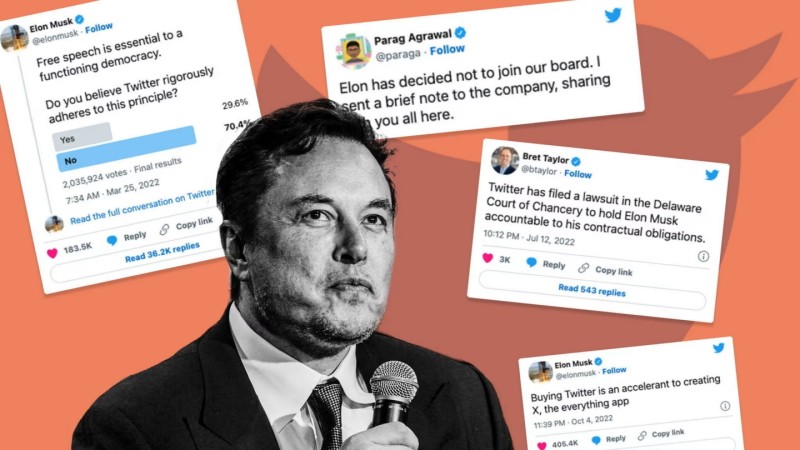
The correlation between Musk’s tweets and meme coin volatility is well-documented. What might seem like a random joke or a simple image can have multi-billion-dollar consequences. For instance, his continued patronage of Dogecoin, which began as a joke, has been a primary catalyst in its journey from obscurity to a top-tier cryptocurrency. These are not isolated incidents but a consistent pattern of influence.
📊 Market Manipulation or Mere Musings? The Great Debate
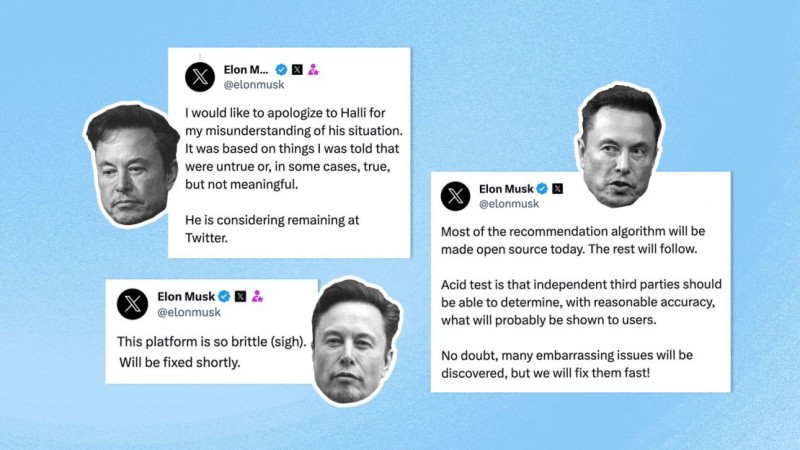
The extraordinary impact of Musk’s social media activity inevitably raises serious questions about ethics and legality. When a single individual can trigger such extreme price fluctuations, where is the line between sharing a personal opinion and engaging in market manipulation? This debate is central to the future regulation of the crypto space.
Defining Manipulation in a Decentralised World
In traditional financial markets, market manipulation is illegal and involves artificially inflating or deflating the price of a security for personal gain. This includes spreading false or misleading information. However, the decentralised and less-regulated nature of cryptocurrencies complicates matters. Critics argue that Musk’s seemingly casual tweets are a form of ‘pump-and-dump’ scheme, where his influence is used to drive up the price before potentially selling off assets. They point to the immense wealth he holds and the clear financial impact of his posts as evidence of, at the very least, a severe conflict of interest.
Conversely, supporters argue that Musk is simply exercising his right to free speech. They contend he is a genuine enthusiast of the technology and the community behind coins like Dogecoin, and that his tweets are no different from any other influential person sharing their interests. They argue that the market’s reaction is not his responsibility and that investors should be accountable for their own decisions. The challenge for regulators is to apply century-old securities laws to a new, borderless digital asset class.
Regulatory Scrutiny on the Rise
As of 2025, regulatory bodies worldwide are playing catch-up. The U.S. Securities and Exchange Commission (SEC) has previously scrutinised Musk’s tweets regarding Tesla stock, but its jurisdiction over assets classified as commodities or currencies is less clear. In Europe, discussions around the Markets in Crypto-Assets (MiCA) regulation are increasingly focused on market abuse and the influence of large personalities. The key legal questions being debated include:
- Does Musk have a fiduciary duty to his followers when he tweets about assets he may hold?
- Can a meme be considered financial advice or a misleading statement?
- How can regulators enforce rules against an individual whose influence transcends national borders?
The outcomes of these debates will fundamentally shape the landscape for meme coin investing, potentially curbing the very volatility that attracts many traders to these assets.
🧭 Navigating Musk-Driven Volatility: Strategies for Investors
While it may be tempting to try and capitalise on the Musk Effect, it’s a high-stakes game that can lead to significant losses. Successful navigation requires discipline, strategy, and a healthy dose of scepticism. Simply buying a coin because Elon Musk tweeted a meme is a recipe for disaster.
The Perils of Chasing the Tweet
The primary danger for retail investors is being late to the party. By the time the average person sees the tweet, registers the market movement, and logs into an exchange to place a buy order, the initial price surge has often already peaked. The early movers are algorithmic bots and hyper-attentive traders. Those who buy at the top of the FOMO-driven spike become ‘exit liquidity’ for the early buyers, who sell their positions to the newcomers, causing the price to crash.
Essential Risk Management Techniques
For those determined to trade meme coins, robust risk management is not optional; it is essential for survival. Consider these non-negotiable rules:
- Position Sizing: Only allocate a very small percentage of your total investment portfolio to speculative assets like meme coins. This should be capital you are fully prepared to lose.
- Set Stop-Loss Orders: A stop-loss is an automated order to sell your asset if it drops to a certain price. This can protect you from catastrophic losses if a sudden reversal occurs.
- Take Profits: If you are fortunate enough to be in a profitable position, don’t get greedy. Set clear profit targets and stick to them. It is often wise to sell a portion of your holdings to secure gains whilst letting the rest ride.
- Avoid Leverage: Using leverage (or margin) to trade meme coins is exceptionally dangerous. The inherent volatility can lead to liquidations and losses far exceeding your initial capital.
💰 Case Study Deep Dive: Dogecoin and the Musk Phenomenon
To truly appreciate how Elon Musk’s tweets cause extreme price fluctuations, one needs to look no further than Dogecoin. What started as a parody of Bitcoin, based on an internet meme of a Shiba Inu dog, became a multi-billion dollar asset, largely thanks to its adoption by Musk as his pet project.
Tweet-by-Tweet Analysis: Mapping Posts to Price Spikes
The following table provides a snapshot of historical examples demonstrating the direct and immediate impact of Musk’s tweets on Dogecoin’s price. This pattern illustrates the cause-and-effect relationship at the heart of the Musk Effect.
| Date of Tweet | Tweet Content | Immediate Price Impact | Market Context/Analysis |
|---|---|---|---|
| Feb 4, 2021 | Image of a rocket heading to the moon with the word “Doge”. | +50% within an hour. | A classic example of a cryptic but powerful endorsement, playing on the crypto slang “to the moon”. |
| Apr 1, 2021 | “SpaceX is going to put a literal Dogecoin on the literal moon.” | +35% surge. | Despite being on April Fool’s Day, the market took the statement seriously, demonstrating immense trust in his words. |
| May 8, 2021 (SNL) | During his Saturday Night Live appearance, he referred to Dogecoin as a “hustle”. | -30% during the show. | A prime example of the “buy the rumour, sell the news” event. The negative connotation of his words pricked the hype bubble. |
| Dec 14, 2021 | “Tesla will make some merch buyable with Doge & see how it goes.” | +25% immediate spike. | This tweet provided tangible utility to the meme coin, giving it a real-world use case, which the market rewarded instantly. |
The Future of Dogecoin: Dependent on a Single Influencer?
The long-term viability of Dogecoin and other meme coins influenced by Musk remains a contentious topic. Its biggest strength—the backing of the world’s richest man—is also its most significant weakness. An over-reliance on a single individual for relevance and market movement creates a fragile foundation. For Dogecoin to evolve, it needs to develop further utility, gain wider merchant adoption, and build a resilient community that is not solely dependent on the whims of its most famous supporter.
🏁 Conclusion: A Market of Memes and Mania
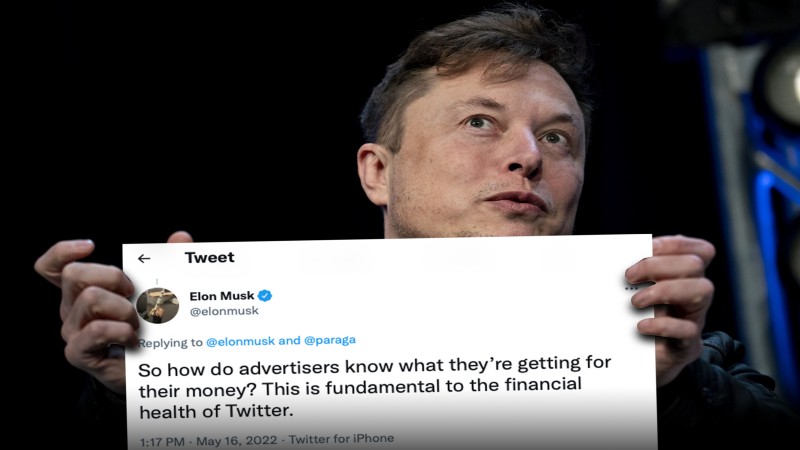
The phenomenon of Elon Musk’s tweets causing extreme price fluctuations in meme cryptocurrencies is a defining feature of the modern digital asset market. It highlights a convergence of technology, celebrity culture, and finance, creating an environment of unprecedented volatility. For investors, it serves as a powerful lesson in the difference between speculation and investment. While the allure of quick profits is strong, the foundation of such rallies is often as fleeting as a social media post.
Ultimately, navigating this space successfully requires a shift in mindset. Instead of trying to predict the unpredictable, focus on what you can control: your education, your strategy, and your risk management. Understanding the forces at play, from the psychology of FOMO to the ongoing debate around market manipulation, is the first step toward making informed, responsible decisions. In a market swayed by memes, the most valuable asset is not the hottest coin, but a disciplined and analytical approach.
🤔 FAQ
- Is it legal for Elon Musk to influence crypto prices with his tweets?
The legality is a grey area. In regulated securities markets, his actions could be considered market manipulation. However, because many cryptocurrencies are not classified as securities, the rules are unclear. Regulators are actively investigating this area, and new laws are expected in the coming years. - How can I track Elon Musk’s crypto-related tweets?
Investors can set up notifications for his X account (@elonmusk). There are also specialised third-party services and trading bots designed to provide instant alerts and even execute trades based on his social media activity, though these tools come with their own risks. - Are meme coins a good investment in 2025?
Meme coins are among the most speculative and high-risk investments available. They can generate extraordinary returns but also lead to total losses. They should not be considered a core part of a traditional investment portfolio. Any investment should be made with disposable capital and a clear understanding of the risks involved. - Besides Dogecoin, what other meme coins has Musk influenced?
Whilst Dogecoin is the most famous example, his tweets have also caused price spikes in other dog-themed coins like Shiba Inu (SHIB) and Floki Inu (FLOKI), often through indirect references or by posting pictures of his own Shiba Inu dog, Floki. - What is the difference between genuine market sentiment and Musk-induced hype?
Genuine market sentiment is built on a wider range of factors, including technological developments (utility), community growth, tokenomics, and broader market trends. Musk-induced hype is a short-term, sentiment-driven event triggered by a single source of influence. Discerning between the two is key to long-term investment success.
*This article represents the author’s personal views only and is for reference purposes. It does not constitute any professional advice.*