
Heading off on your travels or managing an international investment, and the age-old question pops up: do banks do foreign currency exchange, and is it still the smartest option in 2026? In the context of foreign currency exchange UK, the short answer remains “yes, most banks do offer foreign currency exchange.” However, the full picture is far more nuanced. Getting the best deal on your holiday money or handling larger international transfers often means looking beyond the familiar high street branch.
Many investors and travellers assume their bank is automatically the most secure and cost-effective choice. In reality, convenience frequently comes at a premium. Hidden fees, uncompetitive exchange rates, and limited access to certain currencies can mean you are paying far more than expected. This guide explains how bank currency exchange really works, how much do banks charge for currency exchange, how banks compare with alternatives, and ultimately helps you decide the best place to exchange currency UK in 2026.
💡 UK High Street Banks & Foreign Currency: The 2026 Reality
So, can you simply walk into a branch and exchange money? In most cases, yes — but the foreign currency exchange UK landscape has evolved. While major banks such as Barclays, HSBC, Lloyds, and NatWest still provide foreign exchange services, many branches no longer keep large amounts of physical cash on hand.
This shift reflects tighter regulations, rising security costs, and changes in consumer behaviour. As a result, understanding how banks operate today is essential before assuming they are the most practical solution.
Do You Need to Be a Customer?
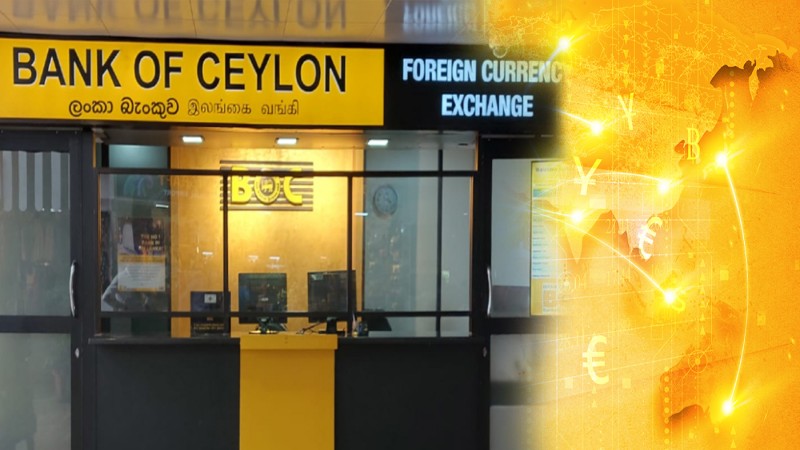
This is the first hurdle. Increasingly, high street banks are reserving their foreign exchange services exclusively for their existing customers. This is partly for security and anti-money laundering (AML) regulations, but also as a perk to retain their client base. If you’re not an account holder, you’ll likely be turned away at the counter.
- Account Holders: Generally, you can order currency online, over the phone, or in a branch.
- Non-Account Holders: Your options are extremely limited. You are almost always better off looking at alternatives like a bureau de change.
For non-customers, specialist providers or platforms involved in international finance and trading — such as Ultima Markets — often provide more flexible global currency solutions beyond physical cash exchange.
Walk-in Service vs. Pre-Ordering: Which is Better?
Although walk-in exchange feels convenient, pre-ordering is almost always the better choice.
-
Availability: EUR and USD are usually available in large branches, but less common currencies often require advance notice.
-
Rates: Online pre-orders typically receive better rates than same-day counter exchanges.
-
Convenience: Pre-ordering allows home delivery or guaranteed branch collection.
Banks now treat physical currency as a specialist service rather than a core offering.
💰 The Real Cost: Unpacking Bank Charges for Currency Exchange
This is where most consumers underestimate the cost. To understand how much do banks charge for currency exchange, you must look beyond advertised commissions.
Commission Fees vs. The Exchange Rate Margin
Many banks promote “0% commission,” but this rarely means the service is cheap.
-
Commission fee: A visible charge, now less common.
-
Exchange rate margin (spread): The primary cost. Banks apply a worse rate than the mid-market rate, and the difference is their profit.
Example:
If the mid-market GBP/EUR rate is 1.18 but your bank offers 1.14, you lose €40 per £1,000 exchanged. This hidden cost often exceeds 3–5%, making banks one of the more expensive options.
This is why traders and investors typically favour transparent platforms with clear pricing structures, strong fund safety frameworks, and minimal spreads.
How Bank Rates Compare to the Market
High street banks consistently apply wider spreads than specialist providers. Their business model prioritises brand trust and convenience, not rate competitiveness. By contrast, online platforms and international trading services operate on thinner margins, often closer to the interbank rate.
For users already managing global exposure via platforms like Ultima Markets MT5, the difference in exchange efficiency becomes especially apparent.
📊 Bank vs. Alternatives: Where’s the Best Place to Exchange Currency?
If banks are rarely the cheapest option, where should you go? Choosing the best place to exchange currency UK depends on your priorities: cost, transparency, and flexibility.
The Ultimate 2026 Currency Exchange Comparison
Here’s a head-to-head look at your options. We’ve assessed them on the factors that matter most to the savvy investor and traveller.
| Service Provider | Typical Exchange Rate | Fees & Transparency | Convenience | Best For |
|---|---|---|---|---|
| High Street Banks | Poor to Fair (Wide Spread) | Often ‘0% commission’ but margin is high. Can have delivery fees. | High (if you’re a customer and pre-order to your local branch). | Existing bank customers making small, convenient exchanges of major currencies. |
| Airport Kiosks | Very Poor (Widest Spread) | High margins and often additional service fees. Poor transparency. | Very High (last-minute necessity). | Absolute emergencies only. The worst value for money by a significant margin. |
| Specialist Bureaux (e.g., Post Office, M&S) | Fair to Good | Rates are competitive, especially when pre-ordered online. Clearer fee structure. | Good (many high street locations). Online ordering improves rates. | A reliable and balanced option for physical cash, often better than banks. |
| Online Currency Platforms (e.g., Wise, Revolut) | Excellent (Close to Mid-Market) | Very transparent. Low, clear fees. You see exactly what you’re paying. | Excellent (app/web-based). Requires setting up an account. | Large transfers, frequent travellers, and anyone prioritising the best possible rate. |
| Travel Money Cards | Good to Excellent | Can offer very competitive rates, but watch out for reload, inactivity, or ATM withdrawal fees. | Very high (functions like a debit card). | Travellers who prefer not to carry large amounts of cash. |
For investors already accustomed to international deposits and withdrawals, platforms offering streamlined Deposits & Withdrawals often outperform banks in both speed and cost efficiency.
A Note on Credit/Debit Cards Abroad
Using your standard UK bank card abroad can be another source of high fees. Most banks charge a non-sterling transaction fee (typically around 2.75-2.99%) on top of a poor exchange rate. It’s crucial to use a specialist travel credit or debit card that waives these fees to avoid nasty surprises on your statement.
🧭 The Return Journey: Do Banks Buy Back Foreign Currency?
After your trip, another common question arises: do banks buy back foreign currency? The answer is yes — with limitations.
The Buy-Back Rate: A Nasty Surprise?
The rate at which a bank buys currency back from you will be different (and worse for you) than the rate at which they sold it to you. This is the other side of the ‘spread’. For example:
- Sell Rate (You buy EUR): £1 = €1.14
- Buy-Back Rate (You sell EUR): £1 = €1.22
What Banks Won’t Buy Back
It’s crucial to know that buy-back services are almost always limited to banknotes. Banks will not buy back foreign coins. Any shrapnel you bring back is effectively a souvenir. Furthermore, they may reject damaged, torn, or outdated banknotes, so it’s wise to keep your currency in good condition.
Conclusion: A Strategic Approach to Currency Exchange
So, do banks do foreign currency exchange? Yes — but that does not mean they are the optimal choice. In 2026, banks remain suitable for small, convenient transactions by existing customers. However, for larger sums, frequent travel, or international investing, they are rarely the most cost-effective solution.
Understanding how much do banks charge for currency exchange, comparing spreads, and exploring alternatives is essential. Specialist platforms, competitive bureaux, and global financial services consistently deliver better value and transparency. Reviews and user feedback, such as those found in Ultima Markets Reviews, further reinforce this shift away from traditional banking.
Ultimately, currency exchange should be treated like any other financial decision: planned, compared, and optimised.

FAQ
1. Is it cheaper to get currency from the Post Office or a bank?
In most cases, the Post Office offers more competitive exchange rates than high street banks. This is especially true if you pre-order the currency online for collection. They are a strong, reliable high street alternative to banks.
2. Can I exchange currency at a UK bank if I don’t have an account with them?
This is highly unlikely in 2026. Most major UK banks now restrict their foreign exchange services to existing customers as a measure against fraud and for regulatory compliance. It’s always best to assume you need an account.
3. Do banks charge a fee for exchanging currency?
While they may advertise ‘0% commission’, the main charge is hidden in the exchange rate. They offer you a rate that is worse than the market rate, and the difference (the ‘spread’) is their profit. This is an indirect fee that can often be much higher than a transparent, flat fee.
4. How much cash can I legally exchange in the UK?
For cash exchanges in a branch, any transaction around £5,000 or more will likely trigger additional identity checks under anti-money laundering (AML) regulations. For amounts over £8,000, you may be required to provide proof of the source of funds. There’s no legal limit, but there are reporting requirements that banks must follow.
This article represents the author’s personal views only and is for reference purposes. It does not constitute any professional advice.
