Navigating the world of digital assets in 2025 can feel like charting a vast, new ocean. With thousands of different cryptocurrency assets in existence, spanning multiple types of cryptocurrency and evolving cryptocurrency categories, each with its own technology and purpose, it’s easy for even the keenest investor to feel overwhelmed. You’ve likely heard of Bitcoin, the headline-grabbing titan of the industry, but the universe of digital currencies extends far beyond it. What are these altcoins you keep hearing about? How do stablecoins differ? And critically, how does one begin to categorise this sprawling ecosystem of different cryptocurrency assets to make sound investment decisions?
This guide is designed to act as your compass through today’s core cryptocurrency categories. We will dissect the primary types of cryptocurrency, moving from the foundational pillars of the market to the innovative and niche assets shaping the future of finance. We’ll explore their underlying technologies, their intended uses, and their potential role within a diversified investment portfolio. Whether you’re making your first foray into digital assets or looking to deepen your existing knowledge, understanding the fundamental differences between different cryptocurrency assets is the first step toward confident and strategic investing.
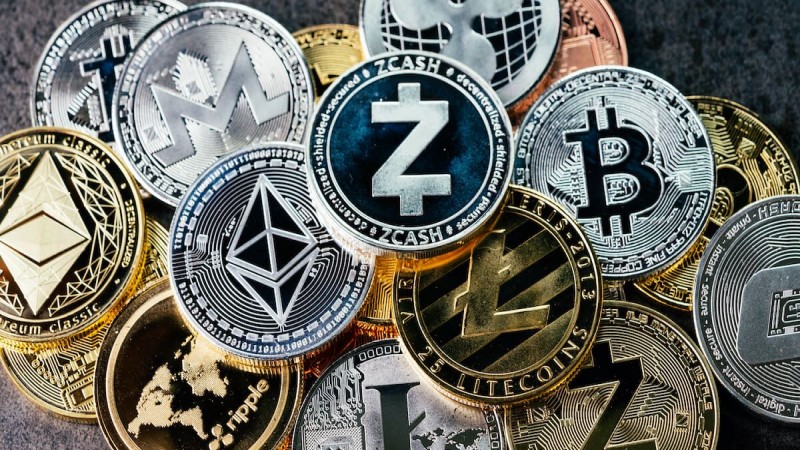
📊 The Core Categories: A Framework for Understanding Digital Assets
To make sense of the thousands of digital coins, it’s essential to group them by their function and design. While there are overlaps, most cryptocurrencies can be broadly placed into one of several key categories. This framework helps in assessing their value proposition and potential risks.
1. Payments and Stores of Value (The Digital Gold)
This is the original and most well-known category, designed to function as a form of digital money. These cryptocurrencies aim to be a medium of exchange, a unit of account, and a store of value, much like traditional fiat currencies (e.g., GBP, USD) but in a decentralised manner.
- Bitcoin (BTC): The first and most famous cryptocurrency. Initially conceived as a peer-to-peer electronic cash system, its narrative has largely shifted towards being a ‘digital gold’—a hedge against inflation and a long-term store of value due to its fixed supply of 21 million coins.
- Litecoin (LTC): One of the earliest ‘altcoins’, often referred to as the ‘silver to Bitcoin’s gold’. It was created to offer faster transaction times and a different hashing algorithm, making it more accessible for everyday payments.
2. Smart Contract Platforms (The World Computers)
These cryptocurrencies are the native assets of blockchains that go beyond simple transactions. They are programmable platforms that allow developers to build and deploy decentralised applications (dApps) and smart contracts. Think of them as the operating systems for a new, decentralised internet (Web3).
- Ethereum (ETH): The pioneer of smart contract platforms. Its blockchain hosts a vast ecosystem of dApps, including decentralised finance (DeFi), non-fungible tokens (NFTs), and more. Its native token, Ether, is used to pay for transaction fees (known as ‘gas’) on the network.
- Solana (SOL): A newer competitor known for its high-speed and low-cost transactions. It aims to solve the scalability issues that have challenged older blockchains like Ethereum, making it a popular choice for high-throughput applications like decentralised exchanges.
- Cardano (ADA): A platform that distinguishes itself with a research-driven approach, focusing on academic peer review to build a secure, scalable, and sustainable blockchain.
3. Stablecoins (The Price Anchors)
Volatility is a major characteristic of the crypto market. Stablecoins are designed to mitigate this by pegging their value to a stable asset, typically a major fiat currency like the US Dollar. They act as a stable bridge between the traditional financial world and the digital asset ecosystem.
- Fiat-Collateralized: These are the most common type, backed 1:1 by reserves of a fiat currency. Examples include Tether (USDT) and USD Coin (USDC).
- Crypto-Collateralized: These are backed by a basket of other cryptocurrencies. They are more decentralised but can be more complex and carry higher risk. MakerDAO’s DAI is a prime example.
- Algorithmic: These use complex algorithms and smart contracts to manage supply and maintain their price peg, without direct collateral. They are the most experimental and have faced significant challenges.
For traders operating across asset classes, secure handling of funds is essential. Many investors therefore prioritise platforms with transparent safeguards, such as those outlined in Ultima Markets fund safety.
📈 The Great Divide: Bitcoin vs. Altcoins
In the crypto lexicon, the market is often split into two simple groups: Bitcoin and everything else. Everything else is collectively known as ‘altcoins’ (alternative coins). This distinction is more than just terminology; it reflects fundamental differences in market position, risk profile, and investment thesis.
Bitcoin stands alone due to its first-mover advantage, unparalleled brand recognition, and a clear, established narrative as a store of value. It has the largest market capitalisation, the highest liquidity, and is generally considered the least volatile (though still highly volatile compared to traditional assets) cryptocurrency.
Altcoins, on the other hand, represent a vast spectrum of projects. They were created to improve upon Bitcoin’s perceived shortcomings (like speed or energy consumption) or to serve entirely new purposes (like smart contracts, privacy, or data storage). While they offer the potential for higher returns, they also carry significantly higher risk.
| Feature | Bitcoin (BTC) | Altcoins (General) |
|---|---|---|
| Primary Narrative | Digital Gold, Store of Value, Inflation Hedge | Varies widely: Utility, Governance, Payments, Niche Applications |
| Market Dominance | Highest market cap and liquidity | Individually much smaller; collectively significant |
| Volatility & Risk | Considered lower risk within the crypto space | Higher volatility; risk ranges from high to extremely speculative |
| Innovation | Focus on security and decentralisation; development is slow and cautious | Often hubs of rapid innovation, experimenting with new technologies and use cases |

🧭 Navigating the Niche: Specialised Cryptocurrency Types
Beyond the major categories, the crypto ecosystem is home to several specialised types of tokens, each designed for a specific purpose within its network. Understanding these can unlock a deeper appreciation of the market’s complexity and innovation.
Utility Tokens
These tokens provide users with access to a product or service within a specific ecosystem. They are not designed as investment vehicles in the traditional sense (though they are often traded as such). Think of them as digital coupons or access keys. For example, Filecoin (FIL) is a utility token used to pay for decentralised data storage on its network.
Governance Tokens
In the world of Decentralised Autonomous Organisations (DAOs) and DeFi protocols, governance tokens give holders the right to vote on proposals that affect the future of the project. This could include decisions on fee structures, software upgrades, or treasury management. Uniswap (UNI) and Aave (AAVE) are prominent examples, giving their communities a direct say in governance.
Meme Coins
Initially starting as internet jokes, meme coins like Dogecoin (DOGE) and Shiba Inu (SHIB) have evolved into a significant, albeit highly speculative, corner of the market. They typically lack fundamental utility and are driven almost entirely by community sentiment, social media hype, and influencer endorsements. While they can produce extraordinary short-term gains, they are associated with extreme volatility and risk.
Privacy Coins
Privacy-centric altcoins like Monero enhance transaction anonymity but face regulatory scrutiny.
Executing trades across these segments often requires professional-grade tools, which is why many traders utilise platforms such as Ultima Markets MT5 for multi-asset analysis.
💡 How to Choose the Right Cryptocurrency for Your Portfolio
Selecting from numerous types of cryptocurrency requires strategy rather than speculation.
-
Risk Assessment: Bitcoin and major altcoins suit conservative exposure, while niche tokens carry higher risk.
-
Fundamental Research: Evaluate use cases, teams, and tokenomics across different cryptocurrency projects.
-
Diversification: A balanced portfolio may combine Bitcoin, leading altcoins, and stablecoins.
-
Operational Considerations: Efficient capital movement matters; many investors review Ultima Markets Deposits & Withdrawals when planning liquidity.
💰 Conclusion: A Diverse Market Demands a Disciplined Approach
The ecosystem of different cryptocurrency assets now spans multiple cryptocurrency categories, from Bitcoin’s store-of-value role to innovative altcoins and stabilising stablecoins. Understanding these types of cryptocurrency is essential for navigating risk in 2025.
Successful participation requires discipline, research, and prudent capital management. By categorising assets correctly and aligning them with personal goals, investors can engage with this dynamic market more confidently—always remembering that informed decision-making is the most valuable asset of all.

🙋 FAQ
1. What is the main difference between a ‘coin’ and a ‘token’?
A ‘coin’ (like Bitcoin or Ethereum) operates on its own native blockchain. It is the primary asset of that network. A ‘token’, on the other hand, is built on top of an existing blockchain, most commonly Ethereum’s ERC-20 standard. Tokens represent an asset or utility within a specific project’s ecosystem.
2. How many different cryptocurrencies are there in 2025?
The number is constantly changing, but it is well over 10,000. The vast majority of these are highly speculative, have very low liquidity, or are inactive projects. A much smaller number—perhaps a few hundred—have significant trading volume and established communities.
3. Are all altcoins riskier than Bitcoin?
Generally, yes. Altcoins tend to have smaller market capitalisations, lower liquidity, and less established track records, making them more susceptible to large price swings. However, risk varies greatly within the altcoin category. A large-cap, established platform like Solana is considered less risky than a newly launched micro-cap meme coin.
4. Can I invest in different cryptocurrencies from the UK?
Yes, UK investors can access a wide variety of cryptocurrencies through numerous regulated exchanges. It’s crucial to use a platform that is registered with the Financial Conduct Authority (FCA) for anti-money laundering purposes. Be aware of the tax implications, as profits from cryptocurrency trading are subject to Capital Gains Tax in the UK.
This article represents the author’s personal views only and is for reference purposes. It does not constitute any professional advice.