The world of digital assets has exploded far beyond its origins with Bitcoin. For the savvy UK investor in 2025, navigating the thousands of different cryptocurrency projects can feel like trying to find a specific share in the FTSE All-Share index without a guide. The sheer variety is dizzying, with each digital coin or token promising to be the next revolutionary technology. But how do you distinguish genuine innovation from speculative hype? How do you sort the blue-chip potential from the high-risk gambles?
Understanding the fundamental differences between these assets is the first step towards making informed investment decisions. A cryptocurrency is more than just digital money; it’s a key to a new, decentralised digital economy. This guide is designed to provide a clear framework for UK investors, breaking down the main categories of crypto, explaining how to analyse them, and offering practical advice on trading and securing your digital portfolio. Before diving into the specifics of crypto, it’s wise to ensure you have a firm grasp of fundamental investment principles. For a thorough grounding, we highly recommend our Investment Basics: The Ultimate 2025 Guide, which provides an essential foundation for any successful investment journey.
📈 Beyond Bitcoin: Understanding the Main Categories of Cryptocurrency
To effectively analyse the market, you must first understand that not all cryptocurrencies are created equal. They serve vastly different purposes, much like how a company share differs from a government bond. Broadly, we can group them into several key categories.
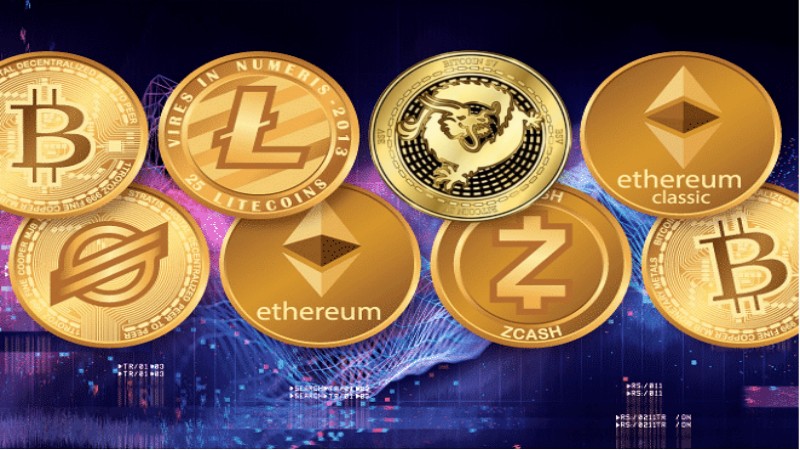
1. Payment Cryptocurrencies: The Digital Cash Contenders
These are the pioneers of the crypto world, designed primarily as a medium of exchange and a store of value. Their goal is to function as a form of digital cash, independent of central banks and traditional financial institutions.
- Bitcoin (BTC): The original cryptocurrency, often referred to as ‘digital gold’. It’s the most secure and decentralised network, making it a primary store of value for many investors.
- Litecoin (LTC): One of the earliest ‘altcoins’, created as the ‘silver to Bitcoin’s gold’. It offers faster transaction times and a different hashing algorithm, aiming for more efficient payments.
2. Infrastructure & Smart Contract Platforms: The Backbone of Web3
Think of these platforms as the operating systems for the decentralised world. They don’t just process transactions; they allow developers to build and deploy decentralised applications (dApps) and other cryptocurrencies on top of their blockchains. Their native coins are used to pay for ‘gas fees’ – the cost of executing operations on the network.
- Ethereum (ETH): The undisputed leader in this category. It pioneered smart contract functionality, enabling the creation of DeFi, NFTs, and a vast ecosystem of dApps.
- Solana (SOL): A newer competitor known for its high-speed and low-cost transactions, aiming to solve the scalability issues that have challenged Ethereum.
- Cardano (ADA): A platform built with a research-driven approach, focusing on security, sustainability, and formal verification methods for its smart contracts.
3. Financial (DeFi) Cryptocurrencies: Rebuilding Traditional Finance
Decentralised Finance (DeFi) aims to recreate traditional financial services—like lending, borrowing, and exchanging—without intermediaries. DeFi tokens often grant holders governance rights over the protocol’s future development.
- Uniswap (UNI): The native token of the leading decentralised exchange (DEX), allowing users to swap a vast array of tokens directly from their wallets.
- Aave (AAVE): A decentralised lending protocol where users can lend out their crypto to earn interest or borrow assets by providing collateral.
4. Utility Tokens & Oracles
Utility tokens provide access to a specific product or service within a blockchain ecosystem. They are not designed as traditional investments but as keys to unlock functionality. Oracles are a crucial sub-category, acting as bridges that feed real-world data (like stock prices or weather information) into blockchain smart contracts.
- Chainlink (LINK): The leading oracle network, providing reliable, tamper-proof data feeds to a wide range of dApps across different blockchains.
- Filecoin (FIL): The token for a decentralised storage network, allowing users to rent out unused hard drive space or pay to store their files securely and resiliently.
5. Meme Coins & Speculative Assets
These are cryptocurrencies that originate from internet jokes or memes. They typically lack fundamental utility and their value is driven almost entirely by community sentiment and social media hype. They represent the highest-risk category of crypto assets.
- Dogecoin (DOGE): The original meme coin, created as a light-hearted joke in 2013 but has since developed a large and loyal community.
- Shiba Inu (SHIB): An Ethereum-based token created as a ‘Dogecoin killer’, which has since attempted to build a broader ecosystem around its brand.
💡 Recommended Reading
To build a strong portfolio, understanding the bedrock of investing is non-negotiable. Our guide, Investment Basics: The Ultimate 2025 Guide, covers essential concepts like risk management and asset allocation that are directly applicable to the crypto market.
🧭 How to Analyse and Track Different Cryptocurrency Prices
Once you understand the categories, the next step is analysis. The crypto market is notoriously volatile, but certain tools and metrics can help you make more sense of price movements.
Key Metrics for Evaluation
When assessing a project, look beyond the current price:
- Market Capitalisation (Market Cap): Calculated as `Current Price x Circulating Supply. It gives you a better sense of a project’s size and stability than price alone.
- Circulating Supply vs. Total Supply: A large discrepancy can indicate future inflation as more tokens are released, potentially putting downward pressure on the price.
- 24-Hour Trading Volume: High volume indicates strong liquidity, meaning you can buy and sell easily without significantly impacting the price.
- Use Case & Whitepaper: Does the project solve a real problem? The whitepaper should clearly outline its purpose, technology, and tokenomics.
Top Platforms for Price Tracking
For reliable, real-time data, professional investors turn to dedicated crypto data aggregators. These platforms are indispensable for market research.
- CoinMarketCap: The most well-known platform, offering price charts, market cap rankings, exchange data, and a wealth of information on thousands of assets.
- CoinGecko: A popular alternative that often lists new tokens faster and includes additional metrics like developer activity and community engagement.
💷 Choosing the Right Platform: Best UK Cryptocurrency Exchanges for 2025
Selecting the right exchange is crucial for security, fees, and asset availability. For UK investors, the most important factor is the platform’s regulatory standing with the Financial Conduct Authority (FCA).
If you’re exploring multi-asset trading platforms beyond crypto, reviewing a broker’s fund safety standards is crucial. Platforms that meet strict client money protection frameworks often give investors greater confidence.
What to Look For in a UK Exchange
- FCA Registration: Ensure the exchange is registered with the FCA for anti-money laundering (AML) purposes. This is a minimum requirement for operating legally in the UK.
- GBP Deposits/Withdrawals: Look for platforms that support Faster Payments for quick and cheap funding of your account from a UK bank.
- Trading Fees: Fees can eat into your profits. Compare the ‘maker’ (adding liquidity) and ‘taker’ (removing liquidity) fees across platforms.
- Security: Check for features like two-factor authentication (2FA), cold storage of assets, and a history free from major hacks.
🛡️ Securing Your Assets: A Guide to Different Cryptocurrency Wallets
Leaving your crypto on an exchange is like leaving your cash with a third party. For long-term holding, it’s essential to move your assets to a personal wallet. The golden rule of crypto is: “Not your keys, not your coins.” This means if you don’t control the private keys to your wallet, you don’t truly own the assets.
Hot Wallets (Software Wallets)
These are software-based wallets that are connected to the internet. They come in the form of mobile apps or browser extensions (e.g., MetaMask, Trust Wallet). They offer great convenience for frequent trading but are more vulnerable to online threats like hacking and malware.
Cold Wallets (Hardware Wallets)
These are physical devices that store your private keys offline, away from internet-based threats. Transactions are signed on the device itself, providing the highest level of security. Brands like Ledger and Trezor are the industry standard. For any serious investor, a hardware wallet is a non-negotiable part of their security setup.
To avoid liquidity surprises or withdrawal delays, always check the reliability of your trading platform’s transaction processing. Broker transparency pages—such as Ultima Markets Deposits & Withdrawals—provide clear funding rules and timelines, helping you plan your asset movements more efficiently.
💰 Building a Portfolio & A Word on UK Taxes
When deciding which different cryptocurrency to invest in, diversification is paramount. A well-balanced portfolio might include a larger allocation to established ‘blue-chips’ like Bitcoin and Ethereum, with smaller, more speculative allocations to promising altcoins in the DeFi or infrastructure sectors.
Crucially, UK investors must be aware of their tax obligations. HMRC treats crypto assets as property. This means you may be liable for Capital Gains Tax when you dispose of your crypto. A ‘disposal’ includes:
- Selling your crypto for fiat currency (like GBP).
- Swapping one cryptocurrency for another.
- Using your crypto to pay for goods or services.
It is vital to keep detailed records of all your transactions. For official, detailed guidance, always refer to the GOV.UK website.
Conclusion
The cryptocurrency market in 2025 is a dynamic and complex arena, filled with both incredible innovation and considerable risk. For UK investors, success hinges on moving beyond the headlines and understanding the fundamental differences between the various types of digital assets. By classifying cryptocurrencies into logical categories, using reliable data to analyse their potential, choosing secure and compliant trading platforms, and prioritising the safety of your assets with proper wallet management, you can build a robust strategy for navigating this exciting market.
Always remember that due diligence is non-negotiable. The principles of sound investing, as outlined in foundational guides like our Investment Basics: The Ultimate 2025 Guide, apply just as much to crypto as they do to traditional markets. Invest only what you can afford to lose, and never stop learning.
❓ FAQ
What’s the difference between a coin and a token?
A ‘coin’ (like Bitcoin or Ethereum) operates on its own native blockchain. A ‘token’ (like UNI or LINK) is built on top of an existing blockchain, most commonly Ethereum’s ERC-20 standard.
Is it too late to invest in cryptocurrency in 2025?
While the days of 1000x returns on Bitcoin are likely over, the industry is still in its early stages of development. Many analysts believe there is still significant growth potential, particularly in infrastructure and DeFi projects. However, the risks remain very high.
How many different cryptocurrencies are there?
As of early 2025, there are over 20,000 different cryptocurrencies listed on tracking sites like CoinMarketCap. The vast majority of these have little to no value or utility, which is why thorough research is essential.
How are cryptocurrencies taxed in the UK?
Profits from crypto disposals are subject to Capital Gains Tax if they exceed the annual tax-free allowance. You must report these gains to HMRC via a self-assessment tax return. It is strongly recommended to consult a tax professional familiar with crypto.
*This article represents the author’s personal views only and is for reference purposes. It does not constitute any professional advice.