
In a financial world that’s constantly evolving, the term ‘cryptocurrency’ has moved from the fringes of tech forums to the forefront of investment discussions. By 2026, it is no longer a niche concept but a significant asset class that demands understanding. Yet, for many, a clear definition of a cryptocurrency remains elusive. Is it digital money, a speculative asset, or the foundation of a new internet? This cryptocurrency explained guide will demystify the market, breaking down its core components, operational mechanics, and its relevance for the modern UK investor.
📊 What Exactly is a Cryptocurrency? Beyond Digital Money
t its heart, the definition of a cryptocurrency is a digital or virtual token that uses cryptography for security. Unlike traditional currencies issued by governments, cryptocurrencies are typically decentralised. This means they are not controlled by any single entity, such as a bank. When exploring what is cryptocurrency, think of it as digital cash sent directly between peers without an intermediary, all recorded on a shared, public ledger.
The ‘crypto’ part of the name comes from the complex cryptographic techniques used to secure transactions. This isn’t just about passwords; it’s about advanced mathematical principles that ensure the integrity of the network. For those seeking cryptocurrency for beginners resources, understanding this security layer is vital, as it makes the assets incredibly difficult to counterfeit.
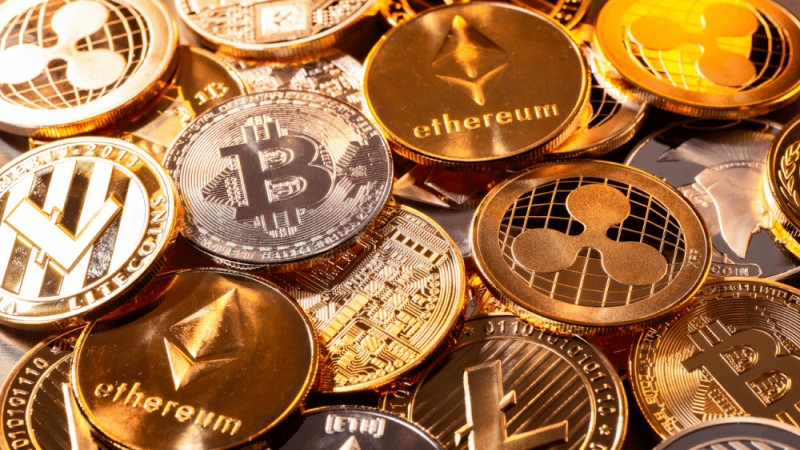
Key Characteristics That Define a Cryptocurrency:
- Decentralisation: Most cryptocurrencies operate on a technology called blockchain, a distributed ledger technology managed by a disparate network of computers. This is the opposite of a centralised system like a traditional bank’s database.
- Cryptography: Transactions are secured using powerful encryption. Public and private keys are used to authorise transfers between users.
- Immutability: Once a transaction is recorded on the blockchain, it generally cannot be altered or removed. This creates a permanent, transparent record.
- Finite Supply (Often): Many cryptocurrencies, like Bitcoin, have a hard-coded limited supply, which proponents argue makes them resistant to inflation, unlike fiat currencies which can be printed at will by central banks.
⚙️ The Engine Room: How Do Cryptocurrencies Actually Work?
To truly grasp the definition of a cryptocurrency, one must look under the bonnet. If you are wondering how does cryptocurrency work, the answer lies in the underlying logic of the blockchain.
The Role of Blockchain Technology
The foundational technology for almost all digital assets is the blockchain. Imagine a digital accounting book duplicated across an entire network. When a new transaction occurs, it is recorded in a ‘block’. Because every participant has a copy of this ledger, it’s incredibly difficult to cheat the system. Many investors use advanced platforms like Ultima Markets MT5 to track these market movements in real-time.
Consensus Mechanisms: Proof-of-Work vs. Proof-of-Stake
In any cryptocurrency explained session, “consensus” is a key term. It is how the network agrees on transaction validity:
| Feature | Proof-of-Work (PoW) | Proof-of-Stake (PoS) |
|---|---|---|
| Method | Participants (miners) solve complex mathematical puzzles using powerful computers. The first to solve it gets to add the new block and is rewarded. | Participants (validators) are chosen to create new blocks based on the number of coins they hold and are willing to ‘stake’ as collateral. |
| Example | Bitcoin (BTC) | Ethereum (ETH 2.0), Cardano (ADA) |
| Pros | Extremely secure and proven over more than a decade. | More energy-efficient, lower barrier to entry, allows for staking rewards. |
| Cons | High energy consumption, can lead to centralisation of mining power. | Less battle-tested than PoW, could potentially favour the wealthy (‘the rich get richer’). |
💰 A Spectrum of Digital Assets: Types of Cryptocurrencies
The term ‘cryptocurrency’ is an umbrella for thousands of digital assets. For a comprehensive cryptocurrency for beginners overview, we must categorise these assets:
The Originals: Bitcoin and First-Generation Coins
Bitcoin is the first and most famous cryptocurrency, created in 2009 by the pseudonymous Satoshi Nakamoto. Its purpose, as outlined in the original Bitcoin whitepaper, was to be a “peer-to-peer electronic cash system.” It remains the market leader and is often seen as a store of value, akin to ‘digital gold’.

The Challengers: Altcoins
‘Altcoin’ simply means any cryptocurrency other than Bitcoin. Many altcoins aim to improve upon Bitcoin’s design or serve entirely different purposes. The most prominent example is Ethereum, which introduced the concept of ‘smart contracts’—self-executing contracts with the terms of the agreement directly written into code. This innovation paved the way for decentralised finance (DeFi) and non-fungible tokens (NFTs).
The Stablecoins: Bridging Fiat and Crypto
Stablecoins are a type of cryptocurrency designed to maintain a stable value by being pegged to an external asset, most commonly a fiat currency like the US Dollar. Examples include Tether (USDT) and USD Coin (USDC). They provide a low-volatility safe haven within the crypto ecosystem, allowing traders to hold value without converting back to traditional currency.
🧭 Navigating the Crypto World: Practical Steps for UK Investors
Now that we have covered how does cryptocurrency work, how does one get involved? Whether you are trading through a broker like Ultima Markets or a specialized exchange, caution is key.
Acquiring and Storing Your Assets
Most people acquire cryptocurrency through a centralised exchange (CEX), a platform that facilitates the buying and selling of digital assets. Once purchased, you have two main options for storage:
- Hot Wallets: These are software-based wallets connected to the internet (e.g., mobile apps, browser extensions). They are convenient for frequent trading but are more vulnerable to hacking.
- Cold Wallets: These are hardware devices that store your crypto offline (e.g., a USB stick). They offer the highest level of security but are less convenient for quick access.
For a deeper dive into trading mechanics, our A Beginner’s Guide to Cryptocurrency CFD Trading provides essential insights.
The UK Regulatory Landscape in 2026
The UK’s approach to cryptocurrency is continuously evolving. As of 2026, the Financial Conduct Authority (FCA) plays a crucial role. While not officially legal tender, cryptocurrencies are treated as assets, meaning profits are subject to Capital Gains Tax. The FCA requires all UK-based crypto exchanges to register and comply with anti-money laundering (AML) regulations. It’s vital to use an FCA-registered platform and stay informed about the latest FCA cryptocurrency regulations, as they are designed to protect consumers from fraud and market manipulation.
Conclusion: A New Definition for a New Era
The definition of a cryptocurrency is multifaceted. It represents a fundamental shift in how we think about value and trust. Whether you are looking for cryptocurrency for beginners guides or technical deep dives into how does cryptocurrency work, a thorough understanding of these principles is essential. For UK investors, this dynamic market offers both immense opportunity and significant risk—navigate it with a robust strategy and a clear mind.

💡 FAQ: Answering Your Key Questions
1. Is cryptocurrency real money?
While it can be used for payments in some contexts, it is not ‘legal tender’ in the UK like the Pound Sterling. It’s better defined as a digital asset or property with monetary value, but it lacks the widespread acceptance and government backing of traditional money.
2. How many cryptocurrencies are there?
There are over 20,000 different cryptocurrencies in existence, though the vast majority have little to no trading volume or utility. A handful, including Bitcoin and Ethereum, dominate the market in terms of value and influence.
3. Is investing in cryptocurrency safe?
Cryptocurrency is a high-risk, speculative investment. The market is extremely volatile, meaning prices can swing dramatically in short periods. There are also risks of scams, hacks, and regulatory changes. It’s crucial to only invest what you can afford to lose and to conduct thorough research.
4. What is the difference between a coin and a token?
A ‘coin’ (like Bitcoin or Ethereum) operates on its own native blockchain. A ‘token’ is built on top of an existing blockchain platform (most commonly Ethereum’s ERC-20 standard). Tokens represent an asset or utility and benefit from the security of the host blockchain.
*This article represents the author’s personal views only and is for reference purposes. It does not constitute any professional advice.*