
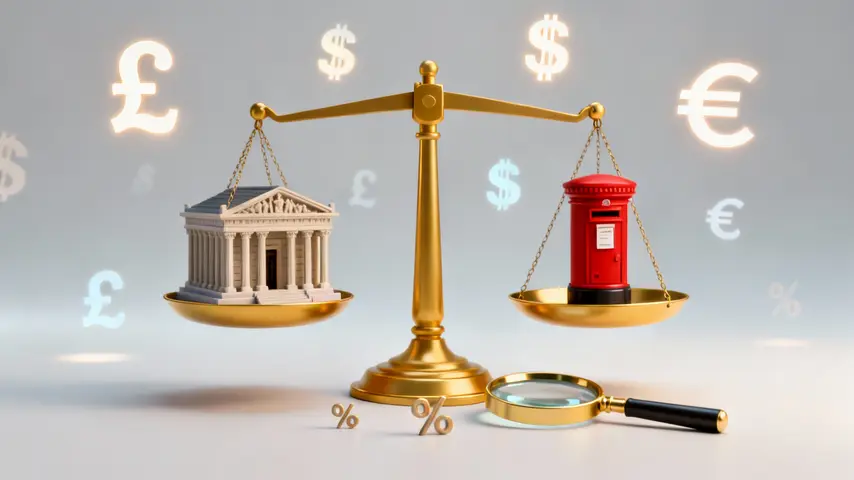
Whether you’ve returned from a trip abroad with a wallet full of foreign notes or you’re planning your next adventure, a common question arises: can foreign currency be exchanged at a bank? The simple answer is yes, but the full story is far more complex. While your local high-street bank offers a sense of security and convenience, is it truly the most ‘抵’ (best value) option for your hard-earned cash in 2025? 💡
Many travellers and investors simply default to their bank without a second thought, assuming it’s the easiest path. However, this convenience can come at a steep price, often hidden within confusing exchange rates and less-than-transparent fees. This guide will demystify the process, revealing whether your bank is a trusted ally or a costly shortcut in the world of uk currency exchange. We’ll explore the real costs, compare the top players, and uncover alternatives that could leave significantly more money in your pocket. For tech-savvy investors, platforms like Ultima Markets also offer global exposure and secure fund handling through Ultima Markets fund safety.
Can You Actually Exchange Foreign Currency at a Bank? The Simple Answer
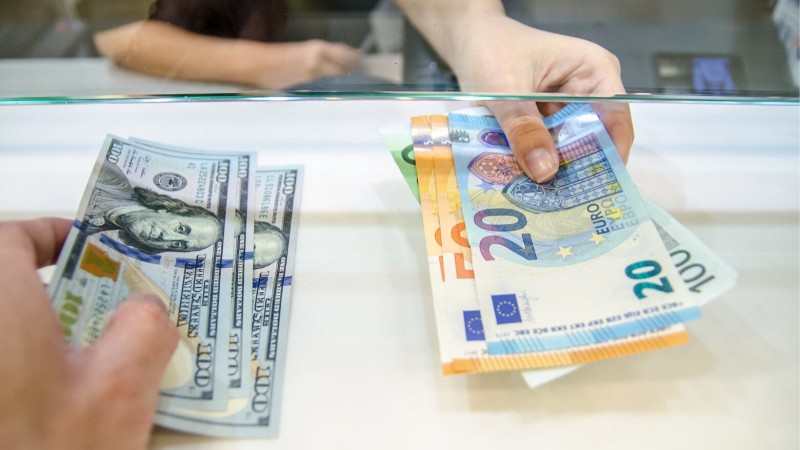
Yes, most major UK high-street banks do offer foreign currency exchange services. It’s a traditional, and for many, a trusted method of ‘唱錢’ (exchanging money). However, the service you receive can vary significantly depending on who you bank with and whether you’re an existing customer.

Yes, But Here’s the Catch…
In 2025, banks are increasingly focusing their in-branch services on their own clientele. Here’s what you need to know:
- Customer-First Policy: Most banks, including the likes of HSBC, Barclays, Lloyds, and NatWest, will require you to hold an account with them to exchange currency, especially for larger amounts. This is partly for security and regulatory reasons (Anti-Money Laundering checks).
- Ordering in Advance: Don’t expect to walk in and get a large sum of an exotic currency. While they may have Euros (EUR) or US Dollars (USD) on hand, currencies like Thai Baht (THB) or UAE Dirhams (AED) often need to be pre-ordered online or via their app, typically 2-3 days in advance.
- Branch Lottery: Not all branches are created equal. Smaller, local branches may not have a dedicated foreign exchange counter or hold any currency at all. You’ll have better luck at larger, city-centre locations. Always check online first.
A Practical Checklist Before You Go 📝
To ensure a smooth transaction, make sure you have the following prepared:
- Valid Photo ID: A passport or UK driving licence is essential, especially if you are exchanging a significant amount (typically over £500).
- Proof of Address: A recent utility bill or bank statement might be requested for very large transactions.
- Your Debit Card: As most banks only serve their customers, they’ll need your debit card to identify you as an account holder.
- The Currency: Ensure the notes are in good condition. Banks will reject any notes that are heavily damaged, torn, or feature old designs that are no longer in circulation.
💰 Finding the ‘Best’ Bank for Currency Exchange in the UK
The word “best” is subjective. Is it the best rate? The most convenient? Or the one with the lowest fees? The truth is, the ‘best bank for currency exchange uk‘ often comes down to understanding the total cost, not just the advertised commission.
The Myth of “Commission-Free”: Unpacking the Real Costs
Many services proudly advertise “0% Commission” or “No Fee” exchanges. While technically true, this is a classic marketing tactic. The real profit is made from the exchange rate spread (or margin). This is the difference between the ‘interbank’ or ‘mid-market’ rate (the rate banks use to trade with each other) and the less favourable ‘tourist’ rate you are offered.
Imagine the mid-market rate for GBP to EUR is 1.18. A bank might offer you a rate of 1.14. That 0.04 difference is their margin. On a £1,000 exchange, that seemingly small difference costs you nearly €40. This is the hidden fee.
UK High-Street Banks Compared: Rates, Fees & Convenience (2025)
Here’s a comparative look at what you can expect from the major players. Note that rates fluctuate constantly, but the margins and service levels are generally consistent.
| Institution | Typical Exchange Rate Margin | Known Fees | Customer Requirement? | Best For… |
|---|---|---|---|---|
| Barclays | 2.5% – 5% from mid-market | Usually none, but minimum exchange amount may apply online. | Yes, account holders only. | Convenience for existing customers doing last-minute exchanges of major currencies. |
| HSBC | 2% – 4.5% from mid-market | No commission. Delivery fees may apply for online orders. | Yes, account holders only. | Existing customers, especially for a wide range of available currencies. |
| Lloyds Bank | 3% – 6% from mid-market | No commission fee, but rates are less competitive. | Yes, account holders only. | Last-resort convenience. Rates are often among the least competitive. |
| NatWest | 2.5% – 5% from mid-market | No commission. Partnered with Travelex for fulfillment. | Yes, for most services. | A reliable, if not spectacular, option for account holders ordering online for collection. |
| Revolut / Wise (Digital) | 0.4% – 1% from mid-market | Transparent, low conversion fee. ATM withdrawal limits apply. | Yes, requires app and account setup. | Tech-savvy travellers exchanging smaller amounts or spending directly abroad. |
For traders looking to manage global exposure securely, apps like Ultima Markets MT5 and Ultima Markets Deposits & Withdrawals provide fast, regulated solutions for online currency operations. You can also read Ultima Markets Reviews to understand user experiences.

Pro Tips for Securing the Best Bank Rates 🧭
- Plan Ahead: Ordering online for branch collection almost always gives you a better rate than walking in off the street.
- Avoid Airports: Bank branches located at airports have notoriously poor exchange rates. It’s the price you pay for ultimate convenience.
- Check Online Calculators: Before committing, use the bank’s own online currency calculator to see the final amount you’ll receive. Compare this with other providers.
🏦 Bank vs. The Post Office vs. Specialist Bureaux: A Head-to-Head Battle
While banks are a go-to, they are far from the only option. In the battle for the best deal, you must consider the alternatives. How do high-street banks stack up against other familiar faces like the Post Office or dedicated currency specialists?
The Post Office: A Familiar Face
The Post Office is one of the largest currency providers in the UK. Its key advantage is the sheer size of its network – there’s likely a branch near you. They often offer competitive rates, especially for popular currencies like EUR and USD, and frequently run promotions. Their online service is efficient, allowing you to order for collection or home delivery.
Specialist Money Changers: The Hidden Champions?
These are businesses whose sole purpose is currency exchange, such as Thomas Exchange Global or online-only platforms. Because this is their core business, they often have much thinner margins, meaning better rates for you. The trade-off is convenience; physical branches are usually concentrated in major cities like London. However, many now offer excellent and secure postal delivery services.
The Ultimate Comparison Table: Where to Exchange Your Money
| Factor | High-Street Banks | The Post Office | Specialist Bureaux |
|---|---|---|---|
| 📊 Exchange Rates | Generally the least competitive due to wide spreads. | Often very competitive, especially for common currencies. | Typically the best rates and lowest margins available. |
| 💰 Fees | Advertised as ‘0% commission’ but hidden in the rate. | No commission on most transactions. Good transparency. | Highly transparent. Any fees are clearly stated. |
| 📍 Convenience | High if you’re an existing customer near a large branch. | Excellent. Massive branch network across the UK. | Limited physical presence, but strong online/delivery options. |
| 🔒 Security | Very high. Fully regulated and secure environment. | Very high. A trusted and regulated institution. | High. Reputable firms are FCA regulated. Check reviews. |
| 🌍 Currency Availability | Good, but exotic currencies often require pre-ordering. | Good for popular destinations; may be limited for others. | Excellent. Often hold a very wide range of exotic currencies. |
Understanding the Rules: Limits and Declarations
While exchanging a few hundred pounds for your holiday is simple, the process involves financial regulations, especially when larger sums are involved. Understanding the limits is key to a hassle-free transaction.
How Much Foreign Currency Can You Exchange at a Bank?
There isn’t a strict legal limit on the amount of currency you can exchange at a bank, but there are practical and regulatory thresholds:
- Under £2,500: For amounts in this range, the process is usually straightforward with standard ID checks.
- £2,500 – £9,000: You should expect more detailed questions. The bank may ask for the source of the funds (e.g., salary, savings) and the purpose of the exchange as part of their anti-money laundering (AML) responsibilities.
- Over £9,000: Exchanging amounts this large will trigger enhanced scrutiny. The transaction will almost certainly be reported, and you will need to provide clear evidence for the source and purpose of the funds. Banks have the right to refuse any transaction they deem suspicious.
Do I Need to Declare Currency?
This question relates more to travel than the exchange itself. Under UK law, if you are carrying the equivalent of £10,000 or more in cash between Great Britain and another country, you must declare it to HMRC. This applies to notes and coins in any currency. The declaration is a legal requirement, not a request for tax; it’s designed to combat money laundering. When you exchange a large amount at the bank, they may remind you of this obligation if they know you are planning to travel.
Conclusion: Convenience vs. Cost
So, can foreign currency be exchanged at a bank? Absolutely. It remains a secure and viable option, particularly for existing customers who prioritise convenience over getting the absolute best rate. However, for the savvy traveller or investor in 2025, it’s clear that banks are rarely the most cost-effective choice.
The seemingly innocent phrase ‘0% commission’ often conceals uncompetitive exchange rates where the real cost lies. For the best value, a little research goes a long way. Specialist currency bureaux and even the Post Office consistently offer tighter spreads, meaning more foreign currency for your pound. The ultimate decision rests on your priorities: the reassurance of your own bank versus the superior rates found elsewhere. Always compare the final figure, not just the advertised fees, before making your move.
FAQ
1. Is it cheaper to exchange currency at home or abroad?
It is almost always cheaper to exchange your pounds into the local currency before you leave the UK. Exchanging money at your destination, especially at airports or hotels, will likely result in very poor rates and high fees. The only exception might be for major currencies in large financial hubs, but it’s a risky strategy.
2. Can I exchange old or damaged foreign banknotes at a UK bank?
Generally, no. High-street banks will only accept current, good-condition banknotes that are still in circulation. If you have old ‘legacy’ currency (like German Marks or French Francs) or damaged notes, you’ll need to use a specialist service that deals specifically in exchanging obsolete or damaged currency, though the rate will be much lower.
3. Do I get a better exchange rate if I change more money?
Sometimes, yes. Some specialist currency providers may offer a slightly better, tiered rate for very large transactions (e.g., over £5,000 or £10,000). However, for most high-street banks and the Post Office, the rate you see is the rate you get, regardless of whether you’re exchanging £500 or £2,500.
4. What’s the difference between a ‘buy’ rate and a ‘sell’ rate?
It’s simple but crucial. The ‘buy’ rate is the rate at which a currency provider will buy foreign currency back from you (and give you GBP). The ‘sell’ rate is the rate at which they will sell foreign currency to you. The ‘buy’ rate is always lower than the ‘sell’ rate – the difference is part of their profit margin.
*This article represents the author’s personal views only and is for reference purposes. It does not constitute any professional advice.*