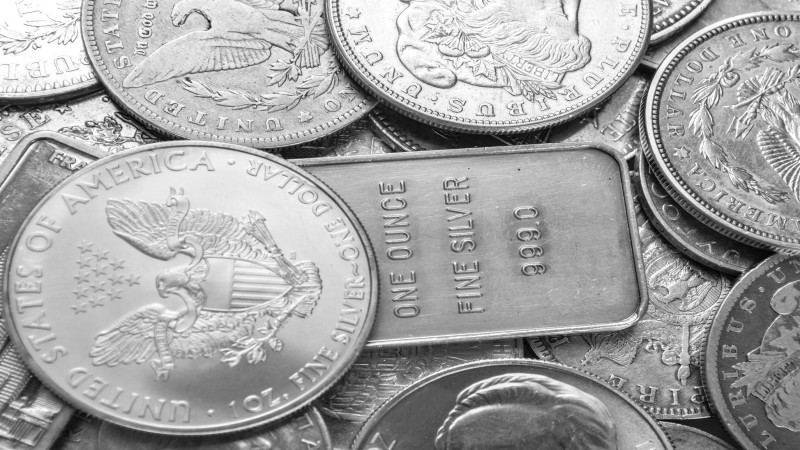
As we navigate the complexities of the 2026 financial markets, a persistent piece of misinformation requires immediate and definitive clarification: the notion of a ‘Silver Passbook’ issued by the Bank of Taiwan. Let us be unequivocal—no such product exists. This rumour, often circulating on social media, is a financial fiction. The Bank of Taiwan has officially and repeatedly refuted these claims, and their offerings are confined to gold passbooks and physical precious metal products. Wasting capital on non-existent instruments is the first, and most costly, mistake an investor can make.
The real discourse should not revolve around phantom products, but rather the tangible, and often misunderstood, metrics that govern legitimate silver investments. Most retail investors fixate on transaction fees, a rudimentary error. The professional analyst, however, directs their focus towards the critical, yet often invisible, costs of ‘slippage’ and the profound implications of ‘liquidity depth’. These are the factors that genuinely dictate net returns, separating informed capital from speculative guesswork. This report will dissect the three viable channels for silver investment available to the Taiwanese investor: Physical Bullion, Exchange-Traded Funds (ETFs), and international Contracts for Difference (CFDs), providing a quantitative framework for strategic decision-making.
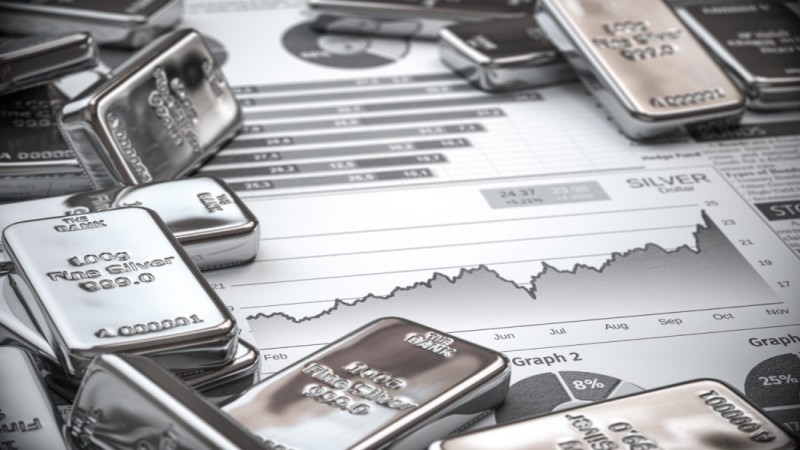
💡 Physical Bullion: The Cornerstone of Tangible Wealth
For the purist investor, direct ownership of physical silver—be it in the form of investment-grade bars or sovereign coins—represents the most fundamental method of exposure to the white metal. This approach is predicated on the principle of removing one’s assets from the digital financial system, holding a tangible store of value that is immune to counterparty risk. However, this tangibility comes at a considerable and often underestimated cost. The primary consideration is the ‘premium’ over the spot price. When purchasing from a dealer, an investor will pay the global spot price plus a premium which covers the costs of fabrication, assay, marketing, and the dealer’s margin. This premium can range from a few percent for large, generic bars (e.g., 100-ounce bars) to over 20% for popular one-ounce coins like the American Silver Eagle or Canadian Maple Leaf, especially during periods of high demand. This initial cost is a significant hurdle that must be overcome before any capital appreciation is realised.
Beyond the acquisition cost, the logistics of ownership introduce further complexities. Secure storage is non-negotiable. While a small holding might be kept in a personal safe, substantial allocations necessitate professional vaulting services. These services, while providing high-level security and insurance, charge an annual fee, typically calculated as a percentage of the asset’s market value (e.g., 0.50% to 1.50% per annum). This ‘storage cost’ acts as a negative yield, systematically eroding the value of the holding over time. Insurance is another critical, and often bundled, expense. Failure to adequately insure one’s bullion against theft or damage is a catastrophic risk management failure. When it comes time to liquidate, the investor faces the inverse of the purchase dynamic: selling back to a dealer. The price offered will be the spot price *minus* a discount, known as the ‘buy-back’ price. The difference between the dealer’s selling price (ask) and buying price (bid) is the ‘spread’, which represents a guaranteed transaction cost for the investor. In illiquid or volatile markets, these spreads can widen dramatically, making it difficult to ‘平倉’ (close a position) at a favourable price. Liquidity, therefore, is a paramount concern. Unlike financial instruments, liquidating a substantial physical holding requires logistics—transportation, verification, and settlement—which can take days, a lifetime in fast-moving markets. Investors must also demand proper certification. For bars, this means ensuring they are produced by an LBMA (London Bullion Market Association) accredited refiner, which guarantees weight and purity and is essential for international liquidity. Without this, selling the metal outside of a limited local network becomes exceptionally difficult.
📊 Silver ETFs: Liquid, Regulated, but Abstract
For investors seeking exposure to silver prices without the burdens of physical ownership, Exchange-Traded Funds (ETFs) present a modern and highly liquid alternative. A silver ETF is a fund that owns physical silver bullion as its underlying asset. Shares of the fund are then traded on a stock exchange, such as the Taiwan Stock Exchange (TWSE), allowing investors to buy and sell exposure to silver with the same ease as trading a company’s stock. The primary advantage is liquidity. During market hours, ETF shares can be bought or sold in seconds at a price very close to the net asset value (NAV) of the underlying silver. This eradicates the logistical challenges of finding a dealer, negotiating a price, and arranging for delivery or storage associated with physical bullion. Furthermore, the bid-ask spreads on high-volume ETFs are typically razor-thin, representing a significant cost saving on transactions compared to physical metal.
However, investors must conduct due diligence on the associated costs and structural risks. The most prominent cost is the Total Expense Ratio (TER), or management fee. This is an annual fee, deducted from the fund’s assets, to cover operational expenses, including management, marketing, and the all-important vaulting and insurance of the physical silver held by the fund’s custodian. While typically low (often ranging from 0.20% to 0.50% per annum), this fee creates a ‘tracking error’—a slight, but persistent, underperformance relative to the silver spot price. Another critical aspect to scrutinise is the fund’s structure. Is it a ‘physically-backed’ ETF, meaning it holds allocated silver bars in a vault? Or is it a ‘synthetic’ ETF, which uses derivatives to replicate the price of silver? For the conservative investor, a physically-backed ETF is almost always preferable as it carries less counterparty risk. The integrity of the fund hinges on the quality of its custodian—the entity responsible for safeguarding the bullion. Reputable ETFs will use globally recognised custodians and conduct regular, independent audits of their silver holdings. Information on ETF composition and custodians can often be found on the Taiwan Stock Exchange website. The core trade-off with an ETF is relinquishing direct ownership. An investor owns shares in a fund, not the metal itself. In a systemic financial crisis, this distinction could become critical. Nonetheless, for most investors seeking efficient price exposure, the operational simplicity and high liquidity of a regulated silver ETF make it a superior choice to physical ownership for active portfolio management.
📈 International Silver CFDs: The Professional’s Tool for Agility
Contracts for Difference (CFDs) represent the most agile, but also the most complex, method for speculating on silver price movements. A CFD is a derivative agreement between an investor and a broker to exchange the difference in the value of an asset (in this case, silver) between the time the contract is opened and closed. Crucially, the investor never owns the underlying asset. This instrument is designed for active, short-term trading rather than long-term investment. The primary appeal of CFDs lies in leverage. A broker may offer leverage of, for example, 20:1, meaning an investor only needs to deposit 5% of the total trade value as ‘margin’. This can amplify potential profits, but it equally magnifies losses, which can exceed the initial deposit. Effective ‘止蝕’ (stop-loss) orders are not merely advisable; they are an absolute necessity for survival when trading CFDs. It is imperative to partner with a broker regulated by a top-tier authority, such as the UK’s Financial Conduct Authority (FCA), which enforces strict client money protection rules and operational standards.
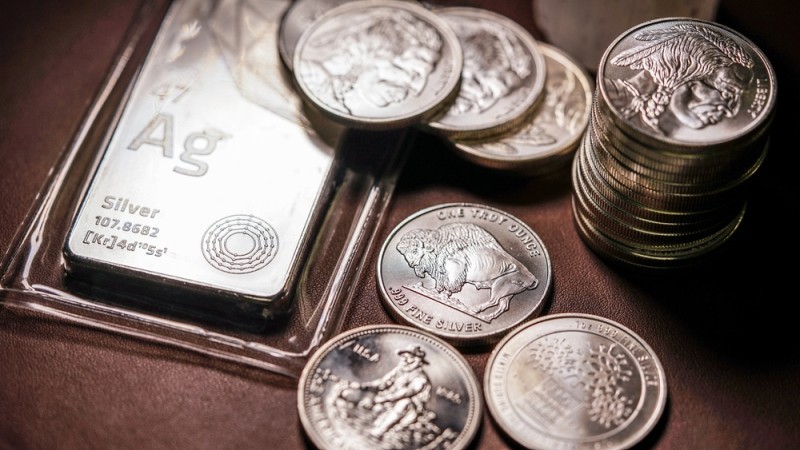
The cost structure of CFDs is fundamentally different from other instruments. While commissions may be low or even zero, the primary cost is embedded in the spread—the difference between the bid and ask price quoted by the broker. For silver, this spread is the broker’s remuneration. This is where the quality of the ‘Market Maker Quotes’ becomes paramount. A reputable broker will offer tight, consistent spreads even during volatile periods. In contrast, less scrupulous providers may widen spreads significantly, making profitable trading almost impossible. This leads us to the concept of ‘滑點’ (Slippage). Slippage occurs when a trade is executed at a price different from the one requested. In a fast-moving market, a ‘market order’ to buy silver might be filled at a higher price than anticipated (negative slippage). While positive slippage can occur, traders must factor the potential for negative slippage into their risk calculations. A broker’s technological infrastructure and liquidity depth determine the frequency and magnitude of slippage. Another key cost is the ‘overnight financing charge’ or ‘swap rate’. Since CFD trading uses leverage, you are effectively borrowing from the broker to hold your position open overnight. A daily interest charge is applied, which can be a significant cost for positions held for weeks or months, making CFDs unsuitable for long-term holds. The decision to trade CFDs requires a sophisticated understanding of market dynamics, risk management, and the underlying mechanics of derivative instruments. A novice trader approaching CFDs without this knowledge is positioning themselves for severe financial loss. For a deeper understanding of the mechanics, consulting a comprehensive guide on CFD trading is a critical first step.
🧭 2026 Taiwan Silver Investment Quantitative Comparison Matrix
To synthesise this analysis, the following matrix provides a clear, data-driven comparison of the three primary silver investment channels available to Taiwanese investors. This framework moves beyond simplistic fee comparisons to encompass the multifaceted reality of total cost of ownership, liquidity, and regulatory security.
| Metric | Physical Silver (Bars/Coins) | Silver ETF (Exchange-Traded) | International Silver CFD |
|---|---|---|---|
| Annualised Total Cost Estimate | High (2-5% + initial premium). Includes storage, insurance, and potential high bid-ask spreads upon liquidation. | Low (0.2-0.6%). Primarily composed of the Total Expense Ratio (TER). Transaction costs are minimal. | Variable. Primarily spread + overnight financing. Can be high for long-term holds but low for day trading. |
| Liquidity Rating (1-5 ⭐) | ⭐ (Low). Dependent on dealer availability. Slow liquidation process. Spreads widen under stress. | ⭐⭐⭐⭐⭐ (Very High). Can be sold within seconds during market hours at or near spot price. | ⭐⭐⭐⭐⭐ (Very High). 24/5 market access. Instant execution, but slippage is a key risk factor. |
| Regulatory Oversight | Minimal. Largely unregulated dealer market. Relies on dealer reputation and LBMA certification. | High. Regulated by the Financial Supervisory Commission (FSC) and the Taiwan Stock Exchange (TWSE). | Varies. High if using a broker regulated by a Tier-1 authority (e.g., FCA in the UK, ASIC in Australia). |
| Minimum Investment (TWD) | ~ TWD 1,000 (for one-ounce coin). High cost per unit. | Low. Can often buy a single share for less than TWD 1,000. Highly accessible for small investors. | Very Low. Margin requirements mean a position can be opened with less than TWD 3,000, but this implies high risk. |
| Ownership Type | Direct, physical ownership. No counterparty risk. | Indirect ownership. Own shares in a trust that holds the metal. Subject to fund counterparty risk. | None. A derivative contract. No ownership of the underlying asset. Subject to broker counterparty risk. |
Conclusion and Investment Outlook
The ‘Silver Passbook’ is a fiction; the path to sound silver investment is paved with diligent analysis. Our examination of the three legitimate channels—physical bullion, ETFs, and CFDs—reveals a clear hierarchy of choice dictated by investor profile. Physical silver remains the ultimate safe-haven asset for those prioritising wealth preservation above all else, accepting high costs and low liquidity as the price for eliminating counterparty risk. Silver ETFs offer a superior solution for the vast majority of investors, providing a cost-effective, highly liquid, and regulated means of gaining exposure to silver price movements, making them ideal for strategic and tactical portfolio allocation. International CFDs are the exclusive domain of the disciplined, active trader. Their use of leverage and complex cost structure demand a sophisticated approach to risk management, where a robust strategy for using ‘止蝕’ (stop-loss) orders is paramount. Understanding these distinctions is the foundation of a professional approach to precious metals. For those new to such complex instruments, a thorough grounding in essential risk management techniques is not just recommended, it is a prerequisite.
FAQ
- Is the ‘Bank of Taiwan Silver Passbook’ real in 2026?
No. It is a persistent online rumour. The Bank of Taiwan does not offer a silver passbook product. Official offerings are limited to gold products and direct sales of physical metals. - What is the most cost-effective way to invest in silver for the long term?
For most investors, a low-cost, physically-backed Silver ETF is the most efficient method. It combines low annual fees (TER) with high liquidity and minimal transaction costs, avoiding the high premiums and storage costs of physical bullion. - What is slippage and why is it important for CFD traders?
Slippage is the difference between the expected price of a trade and the price at which the trade is actually executed. It is a critical, often hidden, cost for CFD traders, especially in volatile markets, as it can significantly impact the profitability of short-term trades. - Can I take physical delivery of silver from an ETF?
Generally, no. While the ETF provider holds physical silver, the structure is designed for financial exposure. Redemption for physical metal is typically only available to authorised participants for extremely large blocks of shares, not for retail investors. - How do I verify a physical silver bar is legitimate?
Purchase from reputable dealers who can provide a certificate of authenticity (assay). Insist on bars from LBMA-approved refiners, which are stamped with the refiner’s mark, weight, and purity (e.g., 999.0). This ensures global recognition and easier liquidation.
Risk Disclaimer
This article is for informational purposes only and does not constitute financial advice. The value of investments, including silver, can go down as well as up, and you may not get back the amount you invested. Trading Contracts for Difference (CFDs) is particularly high-risk and is not suitable for all investors. The use of leverage can lead to losses exceeding your initial deposit. You should ensure you fully understand the risks involved and seek independent financial advice if necessary before making any investment decisions.